
.jpeg)
Chinese instructions for Everolimus
Everolimus (Everolimus) is an immunosuppressant that is mainly used to prevent rejection after organ transplantation and is used in some cancer treatments.
1. Indications: Everolimus is used for immunosuppressive treatment after organ transplantation, and can be used in kidney, heart, liver and lung transplant patients to prevent rejection reactions. In addition, everolimus is approved for the treatment of progressive neuroendocrine tumors (NET).
2. Mechanism of action and pharmacology: Everolimus is an inhibitor of mTOR (mammalian target of rapamycin). mTOR is an important signaling pathway protein that regulates key biological processes such as proliferation, growth, metabolism and survival in cells. Everolimus blocks some important cell proliferation and metabolic pathways by inhibiting the activity of mTOR, thereby inhibiting the immune system's rejection of allogeneic organs and inhibiting the growth and spread of cancer cells.
3. Dosage and usage: Everolimus is usually administered as an oral preparation. In organ transplant patients, specific dosage adjustments need to be determined based on the patient's weight, renal function, and other drug interactions, and should be initiated after the transplant surgery. For the treatment of NET, the dose is usually 10mg daily and must be continued until the disease progresses or the side effects are intolerable.
4. Side effects: Common side effects of everolimus include oral ulcers, nausea, vomiting, diarrhea, fatigue, edema, etc. More serious side effects include liver function damage, kidney function damage, hypertension, hematological abnormalities, etc. Patients should closely monitor side effects and communicate with their doctors in a timely manner during medication.
5. Warnings and precautions:
1.Inform your doctor before use: Before starting to use everolimus, be sure to inform your doctor of your complete medical history, including allergy history, current medications, disease history, etc.
2.Immune system suppression: Everolimus will suppress the function of the immune system and reduce immune response, thus reducing the risk of organ rejection. But this may also cause the body's resistance to infection to decrease, increasing the risk of infection. Contact with infectious diseases should be avoided during use.
3.Renal function monitoring: Everolimus may have an impact on renal function and may lead to renal damage. During use, your doctor will check your kidney function regularly to make sure your kidneys are working properly.
4.Oral ulcers: The risk of oral ulcers increases during treatment with everolimus. If you develop mouth sores, pain, or discomfort, inform your doctor promptly.
5.Pulmonary problems: Lung problems, including interstitial lung disease, have been reported in everolimus users. If you have difficulty breathing, cough, chest pain and other lung symptoms, you should seek medical advice as soon as possible.
6.Hyperglycemia: Use of everolimus may cause an increase in blood sugar, especially in patients with diabetes. Blood sugar levels should be checked regularly.
7.Pregnancy and lactation: Everolimus may have effects on the fetus. Patients should inform their doctor when pregnant or planning to become pregnant. Avoid becoming pregnant during treatment. Additionally, breastfeeding is not recommended while taking everolimus.
6. Contraindications: Everolimus is contraindicated in patients who are allergic to its ingredients. At the same time, women who are pregnant and breastfeeding should not use this drug.
7. Drug interactions: While using everolimus, patients need to inform their doctors about other drugs they are using, because everolimus may interact with other drugs, affecting efficacy or increasing toxicity. For example, strong inhibitors of CYP3A4and P-glycoprotein may increase the blood concentration of everolimus, while drugs such as immunosuppressants and antibiotics may increase the risk of infection.
8. Medication for special groups: Elderly patients, patients with hepatic insufficiency and patients with renal insufficiency need special attention when using everolimus. For these special groups, doctors may adjust the dosage or monitor the concentration of the drug in the body to ensure safe use.
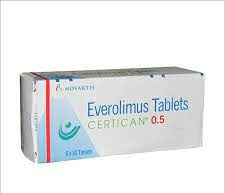
9. Listing and price situation: Everolimus has been approved for sale in my country, and everolimus has been included in the national medical insurance. The price is about 4000~5000 yuan. One month of everolimus costs about 2Boxes are available. For specific prices and medical insurance reimbursement policies, please consult the local hospital pharmacy or medical insurance bureau. The cheaper ones abroad are mainly Indian generic drugs, the price is around 700~1,500yuan, and the ingredients of the drugs are basically the same as those in China.
To summarize, everolimus is an important immunosuppressant, mainly used for immunosuppressive treatment after organ transplantation and the treatment of progressive neuroendocrine tumors. Patients should pay close attention to side effects and warnings during use, and follow doctor's recommendations to ensure safe and effective use of the drug. Any medication decisions and dosage adjustments should be made under the guidance of a physician.
[ 免责声明 ] 本页面内容来自公开渠道(如FDA官网、Drugs官网、原研药厂官网等),仅供持有医疗专业资质的人员用于医学药学研究参考,不构成任何治疗建议或药品推荐。所涉药品可能未在中国大陆获批上市,不适用于中国境内销售和使用。如需治疗,请咨询正规医疗机构。本站不提供药品销售或代购服务。


