
.jpeg)
What are the precautions for taking Regorafenib?
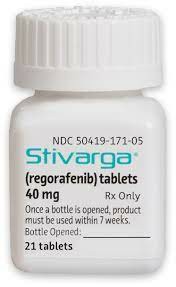
During treatment with Regorafenib (Regorafenib) , patients should pay attention to the occurrence of hepatotoxicity, infection, bleeding, gastrointestinal perforation or fistula, skin toxicity, hypertension, cardiac ischemia and infarction, reversible posterior leukoencephalopathy syndrome, impaired wound healing and other events.
1. Hepatotoxicity: Patients treated with regorafenib in clinical trials developed severe drug-induced liver injury, leading to death. In most cases, liver dysfunction occurs within the first 2 months of treatment and is characterized by hepatocellular damage. Temporarily maintain, then reduce or permanently discontinue regorafenib based on the severity and persistence of hepatotoxicity as demonstrated by elevated liver function tests or hepatocellular necrosis.
2. Infection: The most common infections are urinary tract infection, nasopharyngitis, skin, mucous membrane and systemic fungal infections and pneumonia. Death due to infection was more common in patients receiving regorafenib than in patients receiving placebo (0.3%); the most common fatal infection was respiratory infection (0.6%). For grade 3 or 4 infection, or worsening infection of any grade, discontinue regorafenib. After the infection resolves, resume the same dose of regorafenib.
3. Bleeding:Regofenib causes an increased incidence of bleeding. Patients with severe or life-threatening bleeding should permanently discontinue Regofenib, and monitor the INR levels of patients receiving warfarin more frequently.
4. Gastrointestinal perforation or fistula: In all clinical trials in which regorafenib was administered as a single agent, gastrointestinal perforation occurred in 0.6% of 4518 patients treated with regorafenib; this included eight deaths. Regorafenib should be permanently discontinued in patients who develop gastrointestinal perforation or fistulas.
5. Skin toxicity: including hand-foot skin reaction (HFSR), also known as palmoplantar erythroid dysesthesia syndrome (PPES), and severe rash requiring dose adjustment. In all clinical trials in which regorafenib was administered as a single agent,Toxic epidermal necrolysis occurred in 0.02% of 4518 patients treated with Sregorafenib. Depending on the severity and persistence of skin toxicity, discontinue regorafenib, reduce the dose, or permanently discontinue regorafenib.
6. Hypertension:Regofenib causes an increase in the incidence of hypertension, and most patients who develop hypertension will have a hypertensive episode during the first treatment cycle. Do not initiate regorafenib unless blood pressure is adequately controlled. Monitor blood pressure weekly for the first 6 weeks of treatment and then at each cycle or more frequently as clinically indicated. For severe or uncontrolled high blood pressure, temporarily or permanently discontinue this product.
7. Cardiac ischemia and infarction: Patients with new or acute myocardial ischemia or infarction should discontinue this product. Resume regorafenib only after resolution of the acute cardiac ischemic event if the potential benefits outweigh the risks of further cardiac ischemia.
8. Reversible posterior leukoencephalopathy syndrome: It is a subcortical vasogenic edema syndrome diagnosed bycharacteristic MRI findings. Any patient who develops epileptic seizures, severe headache, visual impairment, confusion, or changes in mental function should be evaluated for RPLS. Patients who develop RPLS should discontinue regorafenib.
9. Impaired wound healing: Patients receiving drugs that inhibit the VEGF signaling pathway may develop complications from wound healing disorders. Thereforeregorafenib may have an adverse effect on wound healing. Stop taking regorafenib for at least 2 weeks before elective surgery, and do not give it for at least 2 weeks after major surgery until the wound has completely healed.
[ 免责声明 ] 本页面内容来自公开渠道(如FDA官网、Drugs官网、原研药厂官网等),仅供持有医疗专业资质的人员用于医学药学研究参考,不构成任何治疗建议或药品推荐。所涉药品可能未在中国大陆获批上市,不适用于中国境内销售和使用。如需治疗,请咨询正规医疗机构。本站不提供药品销售或代购服务。


