
.jpeg)
How effective is Everolimus?
Everolimus (Everolimus) is a targeted therapy drug that mainly interferes with cell proliferation, growth and metabolism by inhibiting the mTOR (mammalian target of rapamycin) signaling pathway, thereby affecting the development and spread of tumors. It has applications in immunosuppression after organ transplantation and in the treatment of certain cancers.
1. Immunosuppression after organ transplantation: The application of everolimus in the field of organ transplantation has been extensively studied. Clinical trials have shown that everolimus can effectively reduce rejection after organ transplantation and improve graft survival rate. For example, a trial called the BANNIER study found that the use of everolimus significantly reduced acute rejection after kidney transplantation. However, long-term use of everolimus may be associated with some side effects, such as an increased risk of infection due to immunosuppression.
2. Breast cancer treatment: Everolimus has also been studied in the treatment of breast cancer. Certain subtypes of breast cancer, such as hormone receptor-positive (ER+) and HER2-negative breast cancer, may become resistant to hormone therapy. Everolimus can be used in combination with hormonal therapy to prolong progression survival in patients by inhibiting the mTOR pathway. For example, results from the BOLERO-2 trial showed that everolimus, compared with hormonal therapy alone, significantly prolonged progression-free survival in some patients.
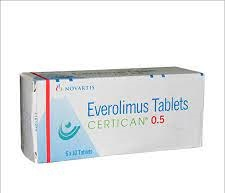
3. Neuroendocrine tumor treatment: Everolimus is also used to treat certain neuroendocrine tumors, such as pancreatic neuroendocrine tumors (PNETs) and gastrointestinal neuroendocrine tumors (GI NETs). Studies show that everolimus can slow the growth of these tumors and extend patient survival. However, side effects such as mouth sores, rashes, etc. may affect the treatment plan.
While everolimus has shown some potential therapeutic benefit in early studies, its exact efficacy needs to take into account the patient's condition, treatment regimen and possible side effects. Therefore, when considering treatment with everolimus, patients should discuss it in detail with a professional physician and develop a personalized treatment plan based on the physician's recommendations. For the latest clinical trial data, it is recommended that you consult a professional doctor or consult the latest medical literature.
Everolimus has been approved for marketing in my country, and has been included in the national medical insurance. The price is about 4000~5000 yuan. It takes about 2 boxes of everolimus per month. For specific prices and medical insurance reimbursement policies, please consult the local hospital pharmacy or medical insurance bureau. The cheaper ones abroad are mainly Indian generic drugs, the price is around 700~1,500yuan, and the ingredients of the drugs are basically the same as those in China.
[ 免责声明 ] 本页面内容来自公开渠道(如FDA官网、Drugs官网、原研药厂官网等),仅供持有医疗专业资质的人员用于医学药学研究参考,不构成任何治疗建议或药品推荐。所涉药品可能未在中国大陆获批上市,不适用于中国境内销售和使用。如需治疗,请咨询正规医疗机构。本站不提供药品销售或代购服务。


