
.jpeg)
Can erlotinib treat pancreatic cancer?
Pancreatic cancer is the fourth leading cause of cancer death in the United States, with an estimated 37, 170 new cases and 33, 370 deaths in 2007. More than half of patients have metastatic disease at diagnosis, with a median survival rate of 5% per year. Locally advanced, unresectable disease also accounts for more than of patients at presentation and confers a median 5 year survival rate of 8%. For the purposes of clinical research, locally advanced tumors and metastatic disease are often collectively referred to as advanced pancreatic cancer, although there are subtle differences in prognosis (which necessitates stratification in such studies) and treatment options for each disease.
Based on the above preclinical findings, Erlotinib has been extensively evaluated in many clinical trials and has been approved for non-small cell lung cancer and pancreatic cancer. Initial Phase I trials of this agent were conducted in patients with a variety of previously treated solid tumors and allowed the establishment of an optimal dose and toxicity profile. In one such study, Hidalgo et al evaluated erlotinib as a single agent in 40 patients with advanced solid malignancies at doses ranging from 25 to 200 doses per day. mg, continuous and intermittent administration, and the maximum tolerated daily dose was determined to be 150 mg (Hidalgo et al., 2001).Under study59% patients(23/39)experienced Grade 1-2 skin toxicity, including 41% (9/22)’s150 mg once-daily dosing regimen. Although no grade 3-4 skin toxicity was reported, there were 3 patients(including 1 with daily doses of 150 mg's patient) requested discontinuation of treatment due to clinically intolerable rash. When the dose is higher thanAt 150 mg, rash and diarrhea are dose-limiting toxicities. Other major toxicities include mucositis, hyperbilirubinemia, and headache. Pharmacokinetic analysis demonstrated that a daily dose of 150 mg produced plasma concentrations greater than 0.5 μg/mL in most patients, consistent with levels expected to produce antitumor activity in the preclinical studies described above.
A project originally proposed at the 2004American Society of Clinical Oncology(ASCO) annual meetingI Phase 1 study(since publication)evaluatederlotinib versus standard-dose gemcitabine(1000 mg / m2 15)Suffering from pancreatic cancer. Two consecutive cohorts were recruited, the first receiving 100 mgerlotinib daily and the second cohort receiving 150 mgerlotinib daily. Since in100 mg dose level, 3 out of 9 patients developed 3grade transaminitis, the study protocol was subsequently modified to increase the stringency of the inclusion criteria, limiting patients to no more than one previous chemotherapy regimen, transaminases less than 1.5 times the upper limit of normal, and bilirubin within the normal range. The most common non-hematologic toxicity was rash, which occurred in 18 of 26 patients (69%), none of which was grade 2 or less. The incidence of rash was similar at the 100 mg and 150 mg dose levels (67% and 71%, respectively). Other common toxicities included diarrhea in 14 patients (54%), including 3 in Named Grade 3; 11patients(42%) experienced nausea, one of whom wasGrade 3; 14 patients (54%) developed fatigue, of which 4 were grade 3. 4patients (15%) also developed grade 3 neutropenia. One fatal episode of pulmonary toxicity occurred in a patient with non-small cell lung cancer who had received chemoradiotherapy. Overall, the toxicity profile of this combination appears to be acceptable, and patients are able to tolerate gemcitabine plus erlotinib at 150 mg daily with manageable side effects. Additionally, of the 12 pancreatic cancer patients evaluable for response, 1 had a partial response (8%) , 9patients had stable condition for more than 3 months(75%).
The pivotal study for the FDA's approval of erlotinib for pancreatic cancer is PA.3, a Phase III trial conducted by the National Cancer Institute of Canada's Clinical Trials Group (NCIC-CTG). The results of this study were first presented at the 2005 ASCO Gastrointestinal Cancer Symposium and were recently published. PA.3Compares gemcitabine pluserlotinibwith gemcitabine plus placebo as first-line treatment for patients with advanced pancreatic cancer. The study was a randomized, double-blind, placebo-controlled, international trial conducted at 176 centers in 17 countries. Eligible participants included 569 patients with locally advanced or metastatic pancreatic adenocarcinoma, measurable disease, and ECOG performance status (PS) ranging from 0 to 2. Prior radiation therapy for localized disease allowed concomitant administration of fluorouracil or gemcitabine as radiosensitizers; the patient was unlikely to have previously received chemotherapy for advanced disease. Appropriate stratification for PS and disease stage; approximately 80% of patients in each groupECOG With a PS of 0 or 1, 75% of patients had metastatic disease. It is worth noting thatEGFRoverexpression is not required for recruitment.
All patients received gemcitabine 1000 mg/m2infused 30 minutes weekly during cycle 1 for 7 weeks, followed by 1 week of rest. Subsequent cycles are administered weekly for 3 weeks, followed by 1 weeks of rest. Patients were randomized to receive erlotinib (285 patients) or placebo (284 patients). The vast majority of patients in the study group received daily doses of 100 mg of erlotinib until disease progression or uncontrollable toxicity. In the second half of the study, a small Canadian cohort of 48 patients received erlotinib at 150 mg daily to assess tolerability of this higher dose.
The PA.3 study used overall survival as the primary endpoint. Secondary endpoints include PFS, response rate, duration of response, toxicity, quality of life (QOL), and correlation of tumor EGFR expression with clinical outcomes. Analysis of the results showed that the median survival of patients randomly assigned to the gemcitabine plus erlotinib group was 6.24 months, while that of the gemcitabine plus placebo group was 5.91 months; the one-year survival rates were 23% and 17% (p = 0.23). The hazard ratio for overall survival was 0.82 (p = 0.038). and progressionHR was0.77 in the placebo group(3.55 months)Compared with theerlotinib group (3.75 months)PFSAlso significantly improved(p = 0.004). There was no significant difference in response rates between treatment groups (8.6% vs. 8.0%), although The disease control rate of patients in the erlotinib group showed a trend of improvement (57.5% vs. 49.2%, p = 0.07). There were no differences in response duration between groups.
Toxicity analysis showed that treatment was well tolerated in both treatment groups. Patients in the erlotinib group had higher rates of rash, diarrhea, infection, and stomatitis. Rash was the most common toxicity, occurring in 203 of 282 patients treated with erlotinib (72%) Half of (36%) s developed a rash, classified as Grade 2 or higher. The incidence of grade 3-4 rash was 6% in the erlotinib group and 1% in the placebo group, respectively.
As for non-dermal toxicity, the incidence of Grade 3-4 diarrhea was 6% and 2% respectively. No differences in grade 3-4 hematological toxicities were observed between the two groups. Of note, the incidence of interstitial lung disease (ILD) syndrome was 2.1% in the erlotinib group and 0.4% in the placebo group. In contrast, the incidence of ILD was reported to be less than 1% in the TarcevaLung Cancer Assessment Trial(TALENT), which evaluated advanced lung cancer. In the PA.3 study, there were 6 protocol-related deaths, all of which occurred in the erlotinib group. Two deaths were attributed to complications from treatment (ILD and sepsis), and 4 deaths were attributed to cancer complications and possible treatment-related effects.
16%of patients in the erlotinib group required a toxic dose reduction, compared with only 16%of patients in the placebo group5%. Compared with patients receiving a daily dose of 100 mg daily (13% of patients requiring a dose reduction) received a higher dose of 150 mgpts on erlotinib (48% of patients at this level required a dose reduction) were more likely to have their dose reduced.
Despite these differences in toxicity, there were no differences in globalQOL scores using the European Organization for Research and Treatment of Cancer Core Quality of Life QuestionnaireC30 (EORTC QLQ-C30) tool. Scores were comparable across domains (p < 0.001) except for diarrhea, which was reported to be more severe in the erlotinib group. Of note, the EORTC QLQ-C30instrument does not specifically address quality of life issues related to skin toxicity. Given that even a mild to moderate rash can be damaging and distressing, its impact on quality of life can be significant.
The PA.3study also evaluated EGFR expression in 162 tumor samples sufficient for immunohistochemical EGFR analysis. Of these tumors, 86 (53%) were EGFR-positive (defined as at least 10% of cells were stained positive), and 76 (47%) were EGFR negative. EGFR status has no significant correlation with erlotinib efficacy. Interestingly, subgroup analysis showed that rash was associated with disease control on erlotinib (p = 0.05). The median survival time of patients with 0, 1 and 2+ grade rash was 5 respectively. .3, 5.8 and 10.5 months, and the 1 annual survival rates are respectively16%, 9% and 43% (p < 0.001).
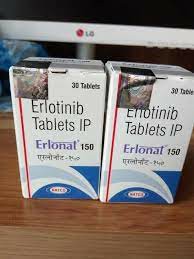
Erlotinib has been launched in China and has been included in medical insurance. Patients can purchase it domestically. The domestic price ranges from about 700 to 1,000. The specification is 150mg*7 tablets. Due to different medical insurance policies in different places, the price is also different. Please consult the local pharmacy or medical insurance bureau for details. Erlotinib abroad is mainly an Indian generic drug, with a price of about 900 yuan. The specifications are divided into 100mg*30 tablets and 150mg*30 tablets, which are about four times the domestic specifications, but the price is similar to that in China.
[ 免责声明 ] 本页面内容来自公开渠道(如FDA官网、Drugs官网、原研药厂官网等),仅供持有医疗专业资质的人员用于医学药学研究参考,不构成任何治疗建议或药品推荐。所涉药品可能未在中国大陆获批上市,不适用于中国境内销售和使用。如需治疗,请咨询正规医疗机构。本站不提供药品销售或代购服务。


