
.jpeg)
Which generation of targeted drug is Entrectinib?
Entrectinib (Entrectinib) is a new generation of targeted therapy drugs that belongs to the class of multi-target tyrosine kinase inhibitors (TKI). Its development and application represent an important progress in the field of tumor treatment and have different mechanisms of action and advantages from traditional chemotherapy. This article will introduce in detail the background, characteristics and significance of entrectinib as a first-generation targeted drug in tumor treatment.
1. Development background of targeted therapy:
Oncology treatment has made significant progress over the past few decades. Traditional cancer treatments, such as radiotherapy and chemotherapy, are effective to a certain extent, but they also cause a lot of damage to normal cells, leading to many side effects. With in-depth research on tumor molecular biology, people have discovered that there are some abnormal signaling pathways and mutated genes in tumor cells. These characteristics provide opportunities for the development of targeted therapies.
2. Classification of targeted therapy:
Targeted therapy drugs are drugs that inhibit the growth and spread of cancer cells by interfering with specific molecular signaling pathways within them. Targeted therapy drugs can often be divided into several generations based on the history of drug development.
First-generation targeted drugs: These drugs are mainly the earliest developed targeted therapeutic drugs. Their development is mainly based on the preliminary understanding of cancer cell growth signaling pathways. For example, drugs that block the epidermal growth factor receptor (EGFR) signaling pathway are among the first-generation targeted drugs. However, these drugs often develop resistance problems during long-term treatment, limiting their long-term efficacy.
Second-generation targeted drugs: The second-generation targeted drugs are improved on the basis of the first-generation and more precisely interfere with the molecular signaling pathways in cancer cells. They are often active against multiple targets to improve efficacy and reduce the risk of resistance. The development of these drugs relies on a deeper understanding of cancer cell biology and signaling.
Third-generation targeted drugs: The third-generation targeted drugs are products further improved on the basis of the first two generations. They are more precisely designed and can more effectively target mutations and abnormal signaling pathways in cancer cells. These drugs generally have better efficacy and lower risk of drug resistance.
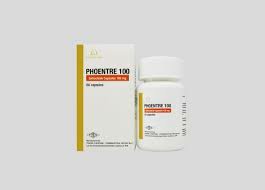
3. Enrectinib as a new generation of targeted drugs:
As a new generation of targeted therapy, entrectinib has many representative characteristics:
Multi-target effect: Entrectinib not only acts on a single molecular target, but also can interfere with multiple targets at the same time, so it has a good effect on tumors carrying multiple gene mutations. This allows entrectinib to exhibit anti-tumor activity in a variety of tumor types.
Based on individualized treatment: The efficacy of entrectinib is closely related to whether the patient carries a specific gene mutation. Therefore, before using entrectinib, genetic testing is often required to confirm a patient's suitability for treatment with the drug. This individualized treatment strategy helps improve treatment effectiveness and reduce unnecessary side effects.
Broad applicability: Entrectinib not only shows significant efficacy in specific types of tumors, but also shows potential in different types of tumors. This makes it an important advance in oncology treatment, providing treatment options for a variety of patients.
Anti-resistance ability: Due to its multi-target effect, entrectinib has a lower risk of resistance than first- or second-generation targeted drugs. This can prolong the patient's response to the drug, thereby improving the continuation of treatment.
Entrectinib has been launched in China, but due to its short time on the market, it has not yet been included in the medical insurance catalog. Since it has just been launched, it is difficult to purchase domestically and the price is very high. For specific prices, please consult the hospital pharmacy at that time. There are original drugs and generic drugs abroad. The original drugs abroad are mainly European versions of original drugs. The price is about 45,000 yuan. The price is relatively high and may be unaffordable for ordinary families. Generic drugs are mainly Lao generic drugs, with prices ranging from 4,000 to 8,000yuan, which are much cheaper than original drugs, and the ingredients of original drugs and generic drugs are basically the same.
[ 免责声明 ] 本页面内容来自公开渠道(如FDA官网、Drugs官网、原研药厂官网等),仅供持有医疗专业资质的人员用于医学药学研究参考,不构成任何治疗建议或药品推荐。所涉药品可能未在中国大陆获批上市,不适用于中国境内销售和使用。如需治疗,请咨询正规医疗机构。本站不提供药品销售或代购服务。


