
.jpeg)
What are the precautions for Rituximab?
During treatment with Rituximab (Rituximab), patients should pay attention to the occurrence of adverse events such as infusion reactions, mucocutaneous reactions, hepatitis B virus reactivation, progressive multifocal leukoencephalopathy, tumor lysis syndrome, infection, cardiovascular events, nephrotoxicity, intestinal obstruction and perforation.
1. Infusion reaction: Severe reactions usually occur during the first infusion, starting within 30-120 minutes. Infusion-related reactions and sequelae caused by rituximab include urticaria, hypotension, angioedema, hypoxia, bronchospasm, pulmonary infiltrates, acute respiratory distress syndrome, myocardial infarction, ventricular fibrillation, cardiogenic shock, anaphylactoid events, or death.
2. Mucocutaneous reactions: These reactions include paraneoplastic pemphigus, Stevens-Johnson syndrome, lichenoid dermatitis, vesicular dermatitis, and toxic epidermal necrolysis. The onset of these reactions is variable, including reports of onset during the first day of rituximab exposure. Rituximab should be discontinued in patients who develop severe mucocutaneous reactions.
3. Hepatitis B virus reactivation: Reactivation of hepatitis B virus (HBV), which can lead to fulminant hepatitis, liver failure, and death in some cases, can occur in patients treated with drugs classified as CD20-directed cytolytic antibodies, including rituximab. Patients who experience HBV reactivation while taking rituximab should immediately discontinue rituximab and any concomitant chemotherapy and initiate appropriate treatment.
4. Progressive multifocal leukoencephalopathy (PML): JC virus infection that causes PML and death can occur in patients with hematological malignancies or autoimmune diseases receiving rituximab. Most patients with hematological malignancies diagnosed with PML receive rituximab in combination with chemotherapy or as part of hematopoietic stem cell transplantation. Patients with autoimmune diseases have received prior or concomitant immunosuppressive therapy, and most PML cases are diagnosed within 12 months of the last rituximab infusion. Discontinue rituximab and consider discontinuing or reducing any concomitant chemotherapy or immunosuppressive therapy in patients with PML.
5. Tumor lysis syndrome (TLS): Patients with non-Hodgkin lymphoma (NHL) may develop acute renal failure, hyperkalemia, hypocalcemia, hyperuricemia or hyperphosphatemia caused by tumor lysis within 12-24 hours after the first infusion of rituximab, which is sometimes fatal. High numbers of circulating malignant cells (≥25,000 cells/mm3) or high tumor burden increase the risk of TLS.
6. Infections: including fatal infections, bacterial infections, fungal infections, and new or reactivated viral infections. Some cases of long-term hypogammaglobulinemia have been reported(defined as hypogammaglobulinemia more than 11 months after rituximab exposure) patients developed an infection. For severe infections, rituximab should be discontinued and appropriate anti-infective therapy instituted. Rituximab is not recommended for patients with severe active infection.
7. Cardiovascular events: Patients receiving rituximab may experience cardiac adverse reactions, including ventricular fibrillation, myocardial infarction and cardiogenic shock. For severe or life-threatening arrhythmias, stop the infusion. Perform cardiac monitoring during and after rituximab infusion in patients who develop clinically significant arrhythmias or have a history of arrhythmias or angina.
8. Nephrotoxicity: Patients with non-Hodgkin lymphoma may develop severe nephrotoxicity, including fatal nephrotoxicity, after taking rituximab. In clinical trials, nephrotoxicity has been seen in patients with tumor lysis syndrome and NHL patients who were concurrently treated with cisplatin. The combination of cisplatin and rituximab is not an approved treatment option. Monitor closely for signs of renal failure and discontinue rituximab in patients with elevated serum creatinine or oliguria.
9. Intestinal obstruction and perforation: Patients receiving rituximab combined with chemotherapy can develop abdominal pain, intestinal obstruction and perforation, which in some cases can lead to death. In post-marketing reports, the average time to gastrointestinal perforation in patients with non-Hodgkin's lymphoma was 6 days (range, 1-77 days). Assess for obstructive symptoms such as abdominal pain or recurrent vomiting.
10. Immunizations: For patients receiving rituximab, physicians should review the patient's vaccination status and, if possible, provide the patient with all current immunizations according to current immunization guidelines before initiating rituximab treatment, and administer non-live vaccines at least4 weeks before the rituximab course.
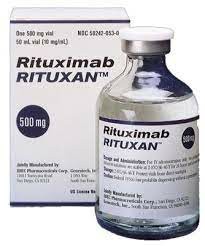
Rituximab has been launched in China and has entered the scope of Class B medical insurance. The use of rituximab must be carried out by doctors and medical staff. It is a strictly controlled drug and its purchase and use may be restricted. SpecificationsThe price of each box of 500mg/500mL may be around RMB 8,000, which is relatively expensive. Rituximab has also been launched overseas. The price of the original Indian version of 500mg/500mL per box may be around RMB 3,000 (the price may fluctuate due to exchange rates) . There are also generic rituximab drugs produced by other pharmaceutical companies in India. The price of 500mg/500mL per box may be around 1,500 yuan (the price may fluctuate due to exchange rates). Its drug ingredients are basically the same as those of domestic and foreign original drugs.
[ 免责声明 ] 本页面内容来自公开渠道(如FDA官网、Drugs官网、原研药厂官网等),仅供持有医疗专业资质的人员用于医学药学研究参考,不构成任何治疗建议或药品推荐。所涉药品可能未在中国大陆获批上市,不适用于中国境内销售和使用。如需治疗,请咨询正规医疗机构。本站不提供药品销售或代购服务。


