
.jpeg)
Efficacy and effects of Rituximab
Research shows that Rituximab (Rituximab) is effective in treating all approved diseases. In a follicular lymphoma study involving 322 patients, patients who received rituximab plus chemotherapy lived an average of 25.9 months without disease recurrence, while those who received chemotherapy alone lived an average of 6.7 months. In one study of rituximab alone, 48% of patients with follicular lymphoma who had failed prior treatment responded to the drug. In a maintenance study of patients whose follicular lymphoma had relapsed after prior treatment, patients who received rituximab alone lived an average of 42.2 months without disease progression. Maintenance studies in previously untreated patients showed that patients treated with rituximab were 50% less likely to have their disease worsen.
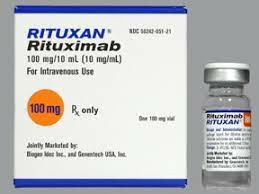
In a study of 399 patients with diffuse large B-cell lymphoma, those who added rituximab to chemotherapy lived an average of 35 months without worsening or requiring changes in treatment. In a study of 817 patients with chronic lymphocytic leukemia, patients who had received no previous treatment lived an average of 39.8 months without their disease worsening when they received rituximab plus chemotherapy, compared with an average of 32.2 months for patients who received chemotherapy alone. Among patients whose disease relapsed after previous treatment, those who received Rituxan survived 30.6 months without disease progression, compared with 20.6 months for those who received chemotherapy alone. In a study of 517 patients with rheumatoid arthritis, rituximab was more effective than placebo, with 51% of patients who received rituximab improving in symptoms compared with 18% of patients who received placebo.
In a study of 198 patients with granulomatosis with polyangiitis (GPA) and microscopic polyangiitis (MPA), 64% of patients treated with rituximab had a complete response after six months, compared with 55% of patients treated with the comparator drug cyclophosphamide. A second study of 117 patients looked at the proportion of patients who recovered from their condition within 28 months. The study showed that only 5% of patients treated with rituximab relapsed, compared with 29% of patients treated with azathioprine (another drug used to treat GPA and MPA). In a study of 90 patients with newly diagnosed pemphigus, rituximab combined with prednisone (a corticosteroid) was more effective at clearing skin lesions than prednisone alone. After 2 years of treatment, 90% of patients who received rituximab and short-term (up to 6 months) prednisone therapy were in complete remission (meaning the skin and mucous membranes had healed without new or old lesions) for 2 months or more after stopping prednisone therapy, compared with 28% of patients who received prednisone alone.
[ 免责声明 ] 本页面内容来自公开渠道(如FDA官网、Drugs官网、原研药厂官网等),仅供持有医疗专业资质的人员用于医学药学研究参考,不构成任何治疗建议或药品推荐。所涉药品可能未在中国大陆获批上市,不适用于中国境内销售和使用。如需治疗,请咨询正规医疗机构。本站不提供药品销售或代购服务。


