
.jpeg)
What are the precautions for taking Pirfenidone?
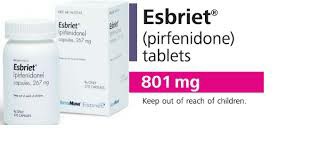
While using pirfenidone (Pirfenidone) to treat idiopathic pulmonary fibrosis (IPF), patients should pay attention to the occurrence of elevated liver enzymes and drug-induced liver damage, photosensitivity reactions or rashes, severe skin adverse reactions, gastrointestinal diseases, etc. If symptoms of discomfort occur, the doctor should be informed in time to adjust the drug dose.
1. Elevated liver enzymes and drug-induced liver injury (DILI):
During the postmarketing period, non-serious and serious cases of drug-induced liver injury, including severe liver injury resulting in death, have been reported. Before initiating treatment with pirfenidone, perform liver function tests (ALT, AST, and bilirubin) monthly for the first 6 months and every 3 months thereafter and as clinically indicated. Liver function tests should be performed promptly if a patient reports symptoms that may indicate liver injury, including fatigue, anorexia, right upper abdominal discomfort, dark urine, or jaundice. Elevated hepatic enzymes may require dose adjustment or interruption.
2. Photosensitivity reaction or rash:
In three Phase 3 studies, the incidence of photosensitivity reactions was higher in patients treated with pirfenidone 2403 mg/day (9%) than in patients treated with placebo (1%). Most photosensitivity reactions occur in the first 6 months, and patients are instructed to avoid or minimize exposure to the sun (including sunlamps), use sunscreen (SPF 50 or higher), and wear sun-protective clothing. Additionally instruct patients to avoid concomitant medications known to cause photosensitivity. In some cases of photosensitivity reaction or rash, pirfenidone may need to be reduced or discontinued.
3. Serious skin adverse reactions:
Severe cutaneous adverse reactions (SCARs), including Stevens-Johnson syndrome (SJS), toxic epidermal necrolysis (TEN), and drug reactions with eosinophilia and systemic symptoms (DRESS), have been reported with pirfenidone use in the postmarketing setting. If signs or symptoms of scarring occur, interrupt pirfenidone therapy until the cause of the reaction is determined. It is recommended to consult a dermatologist. If scarring is confirmed, permanently discontinue pirfenidone.
4. Gastrointestinal diseases:
In clinical studies, patients treated with pirfenidone more frequently reported nausea, diarrhea, dyspepsia, vomiting, gastroesophageal reflux disease, and abdominal pain. 18.5% of patients in the 2403 mg/day group required dose reduction or interruption for gastrointestinal events, and 2.2% of patients in the pirfenidone 2403 mg/day group discontinued treatment due to gastrointestinal events. The most common (>2%) gastrointestinal events leading to dose reduction or interruption were nausea, diarrhea, vomiting, and dyspepsia. The incidence of gastrointestinal events was highest early in the course of treatment (highest in the first 3 months) and decreased over time. In the case of certain gastrointestinal adverse reactions, pirfenidone dose adjustment may be necessary.
[ 免责声明 ] 本页面内容来自公开渠道(如FDA官网、Drugs官网、原研药厂官网等),仅供持有医疗专业资质的人员用于医学药学研究参考,不构成任何治疗建议或药品推荐。所涉药品可能未在中国大陆获批上市,不适用于中国境内销售和使用。如需治疗,请咨询正规医疗机构。本站不提供药品销售或代购服务。


