
.jpeg)
What are the precautions for Ponatinib?
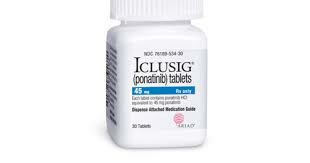
Patients should be careful about arterial occlusive events, venous thromboembolic events, heart failure, hepatotoxicity, hypertension, pancreatitis, neuropathy, ocular toxicity, and bleeding during treatment with ponatinib (Ponatinib) , fluid retention, cardiac arrhythmias, myelosuppression, tumor lysis syndrome, reversible posterior leukoencephalopathy syndrome, impaired wound healing, and gastrointestinal perforation, the drug dose should be interrupted and ponatinib should be resumed or discontinued at the same or reduced dose based on recurrence/severity.
1. Arterial occlusive events (AOEs): Arterial occlusive events (AOEs), including death, occurred in patients treated with optical and pacing ponatinib. The most common grade 3 or 4 AOEs were myocardial infarction, acute coronary syndrome, arterial thrombosis, ischemic stroke, ischemic cerebral infarction and unstable angina.
2. Venous thromboembolic events: including deep vein thrombosis, pulmonary embolism, superficial thrombophlebitis, retinal vein occlusion and retinal vein thrombosis with vision loss. Monitor for signs of venous thromboembolism.
3. Heart failure: The most commonly reported heart failure events (>1 case each) are left ventricular hypertrophy and increased BNP. Monitor patients for signs or symptoms consistent with heart failure and manage heart failure as clinically indicated.
4. Hepatotoxicity: May cause hepatotoxicity, including liver failure and death. The most common hepatotoxic events are increases in alanine aminotransferase (ALT), aspartate aminotransferase (AST), alkaline phosphatase and gamma-glutamyl transferase (GGT). Monitor liver function tests at baseline and then at least monthly or as clinically indicated.
5. Hypertension: Patients may require urgent clinical intervention for hypertension accompanied by confusion, headache, chest pain, or shortness of breath. Monitor baseline blood pressure and ultimately control hypertension as clinically indicated. If hypertension is not controlled with medication, interrupt, reduce dose, or discontinue ponatinib. For significantly worsening, unstable, or refractory hypertension, interrupt dose and consider evaluation for renal artery stenosis.
6. Pancreatitis: Monitor serum lipase every two weeks for the first two months, and then once a month or as clinically indicated. Consider additional serum lipase monitoring in patients with a history of pancreatitis or alcohol abuse. Evaluate for pancreatitis when elevated lipase is associated with abdominal symptoms.
7. Neuropathy: The most commonly reported peripheral neuropathies are hypoesthesia, muscle weakness, and paresthesia. Monitor patients for symptoms of neuropathy, such as hypoesthesia, hyperesthesia, paresthesia, discomfort, burning, neuropathic pain, or weakness.
8. Eye toxicity: The most common eye toxicity is macular edema, retinal vein occlusion, retinal hemorrhage and vitreous floaters, blurred vision and eye pain.
9. Bleeding: AcceptingAmong 94 patients who received the initial dose of 45 mg, bleeding occurred in 12% of patients; 1 patient developed severe subdural hematoma.
10. Fluid retention: Severe fluid retention includes pleural effusion, pericardial effusion, and angioedema. The most common fluid retention events are peripheral edema, pleural effusion, pericardial effusion, and peripheral swelling. Monitor fluid retention.
11. Arrhythmias: Atrial fibrillation is the most common arrhythmia. Other grade 3 or 4 arrhythmia events include syncope, tachycardia and bradycardia, QT interval prolongation, atrial flutter, sinus bradycardia, supraventricular tachycardia, ventricular tachycardia, atrial tachycardia, complete atrioventricular block, cardiopulmonary arrest, loss of consciousness, and sinus node dysfunction. Monitor for signs and symptoms suggesting a slowed heart rate (fainting, dizziness) or a rapid heart rate (chest pain, palpitations, or dizziness).
12. Bone marrow suppression: Neutropenia, thrombocytopenia, and anemia may occur. Complete blood counts were collected every two weeks for the firstmonths and then monthly or as clinically indicated. If ANC is less than 1 × 10⁹/L or less than 50 × 10 platelets 9/L, interrupt ponatinib until ANC is at least 1.5 × 10⁹/L and platelets are at least 75 × 109/L.
13. Tumor lysis syndrome: Among the 94 patients who received the initial dose of 45 mg, 1.1% of the patients developed severe tumor lysis syndrome (TLS), and 2.1% of the patients developed hyperuricemia.
14. Reversible posterior leukoencephalopathy syndrome: Patients may experience high blood pressure, seizures, headaches, decreased alertness, changes in mental function, vision loss, and other visual and neurological disorders. Magnetic resonance imaging (MRI) is necessary to confirm the diagnosis.
15. Impaired wound healing and gastrointestinal perforation: Patients receiving ponatinib who experience poor wound healing should stop taking the drug for at least 1 week before elective surgery Do not give this medication for at least 2 weeks after major surgery and until the wound has completely healed. Permanently discontinue the drug in patients with gastrointestinal perforation.
[ 免责声明 ] 本页面内容来自公开渠道(如FDA官网、Drugs官网、原研药厂官网等),仅供持有医疗专业资质的人员用于医学药学研究参考,不构成任何治疗建议或药品推荐。所涉药品可能未在中国大陆获批上市,不适用于中国境内销售和使用。如需治疗,请咨询正规医疗机构。本站不提供药品销售或代购服务。


