
.jpeg)
Contraindications to using Finerenone
Finerenone (Finerenone) is a drug that may have contraindications in certain circumstances, that is, it should not be used in specific situations to avoid possible serious risks and side effects. The following is a detailed description of fenelidone contraindications:
1. Hyperkalemia (hyperkalemia): Hyperkalemia is a major contraindication to fenelidone. Because the action of fenelinone affects the sodium and potassium balance in the body, it may lead to an increase in blood potassium levels. Therefore, fenelidone should not be used when hyperkalemia already exists to avoid aggravating the risk of hyperkalemia and causing serious arrhythmia and other problems.
2. Severe liver function impairment: For patients with significantly impaired liver function, the metabolism and excretion of fenelidone may be affected, increasing drug accumulation and the risk of side effects. Therefore, fenelidone should not be used in patients with severe hepatic impairment.
3. Severe renal impairment or dialysis: For patients with severe renal impairment, the metabolism and excretion of the drug may be affected, which may lead to the accumulation of the drug in the body. If the patient is receiving dialysis treatment, the dosage and use of the drug need to be strictly adjusted by the doctor.
4. Adrenocortical insufficiency (Addison disease): Patients with adrenocortical insufficiency usually have low aldosterone levels. Fenelidone, as an aldosterone receptor antagonist, may interfere with the body's aldosterone balance, so its use may be contraindicated in these patients.
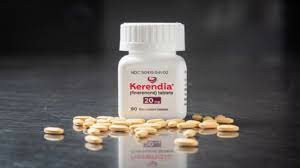
5. Pregnancy and lactation: There are currently insufficient studies on fenelidone in pregnancy and lactation, so its use is not recommended during these special stages. Patients should decide whether to use fenelidone under the guidance of a doctor when they are planning to become pregnant, are pregnant, or are breastfeeding.
6. Allergic Reaction: This drug is prohibited for use in patients with allergic reactions to fenelidone or its components. Allergic reactions may include symptoms such as rash, hives, difficulty breathing, etc. If allergic symptoms occur, stop the medication and seek medical attention immediately.
It needs to be emphasized that the use of fenelidone should be carried out under the guidance of a doctor. The doctor will judge whether the use of fenelidone is suitable based on the patient's condition, type of disease, drug interactions and other factors. If you have any concerns, questions, or have a medical condition that is a contraindication, be sure to have a detailed discussion and evaluation with your doctor before using the medication to ensure safe and effective treatment.
Fenelidone is currently on the market in China and has been included in medical insurance. Patients can purchase it at domestic hospital pharmacies. For specific prices and prices after medical insurance reimbursement, please consult the local hospital pharmacy. Overseas, the main Japanese original drug is fenelidone, with a specification of 10mg*100 tablets of about more than 2,000 yuan, and it is the same as the domestic original drug.
[ 免责声明 ] 本页面内容来自公开渠道(如FDA官网、Drugs官网、原研药厂官网等),仅供持有医疗专业资质的人员用于医学药学研究参考,不构成任何治疗建议或药品推荐。所涉药品可能未在中国大陆获批上市,不适用于中国境内销售和使用。如需治疗,请咨询正规医疗机构。本站不提供药品销售或代购服务。


