
.jpeg)
What does Gefitinib do?
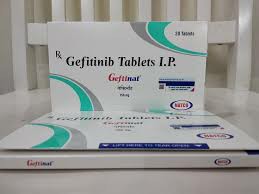
Gefitinib (Gefitinib) is a targeted drug mainly used to treat non-small cell lung cancer (NSCLC). Its function is to inhibit the growth and spread of tumors by interfering with the signal transduction pathways of tumor cells, thereby achieving the purpose of treating lung cancer. In order to have a deeper understanding of the role of gefitinib, let us elaborate on non-small cell lung cancer, epidermal growth factor receptor (EGFR) and the mechanism of action of gefitinib.
Non-small cell lung cancer andEGFR: Non-small cell lung cancer (NSCLC) is a malignant tumor that accounts for the majority of lung cancer cases. EGFR is a cell surface receptor protein that participates in regulating key physiological processes such as cell growth, differentiation, proliferation and survival. However, in some cases, the EGFR gene may become mutated, causing abnormal signaling that promotes uncontrolled growth of tumor cells.
Gefitinib’s mechanism of action: Gefitinib is a tyrosine kinase inhibitor. Its mechanism of action involves interference with theEGFR signaling pathway, thereby affecting the growth and spread of tumor cells.
1.EGFRsignaling pathway inhibition: Under normal circumstances, EGFR activates internal tyrosine kinases after binding to its ligand, thereby activating a series of downstream signaling pathways. These signaling pathways are involved in regulating cell growth and differentiation. However, in tumor cells with EGFR mutations, this pathway may be overactivated, leading to abnormal cell proliferation. Gefitinib binds to the EGFR tyrosine kinase and inhibits its activity, thus interfering with the normal function of the signaling pathway.
2.Cell cycle regulation:The activation of the EGFR signaling pathway is related to the regulation of the cell cycle. The inhibitory effect of gefitinib may affect the cycle of tumor cells, causing cells to stall at a specific cycle stage, limiting their division and proliferation.
3.Apoptosis induction:Abnormal activation of the EGFR signaling pathway may cause tumor cells to escape apoptosis (programmed cell death). The use of gefitinib may restart the apoptosis pathway by interfering with the signal transduction pathway, prompting tumor cells to enter the apoptosis process.
4.Inhibit angiogenesis: Tumors need to obtain sufficient nutrition and oxygen supply through the formation of new blood vessels. Inhibition of the EGFR signaling pathway may interfere with the process of tumor angiogenesis, thereby inhibiting tumor growth and spread.
In short, gefitinib, as a targeted drug, affects many key processes such as the growth, differentiation, cycle regulation and apoptosis of tumor cells by inhibiting the activity of the EGFR signaling pathway. This disruptive effect helps control the development of lung cancer and extends survival in some patients. However, the efficacy of drug therapy may vary depending on the patient's specific situation, drug resistance and other factors, so when using gefitinib, doctors who work closely with each other will develop the best treatment strategy based on the individual situation.
Gefitinib was launched in China in 2005. At that time, the price of a box was about 5,000 yuan. Enter medical insurance in China in 2017. The price after medical insurance has dropped a lot. For the specific price after medical insurance, please consult the local hospital pharmacy or the medical insurance bureau. Other versions include original drugs and cost-effective generic drugs. Generic drugs include generic drugs from India, Bangladesh and Laos. The prices vary with different specifications, about 200~800yuan, and the ingredients of generic drugs are basically the same as domestic drugs.
[ 免责声明 ] 本页面内容来自公开渠道(如FDA官网、Drugs官网、原研药厂官网等),仅供持有医疗专业资质的人员用于医学药学研究参考,不构成任何治疗建议或药品推荐。所涉药品可能未在中国大陆获批上市,不适用于中国境内销售和使用。如需治疗,请咨询正规医疗机构。本站不提供药品销售或代购服务。


