
.jpeg)
How harmful is Gefitinib to the body?
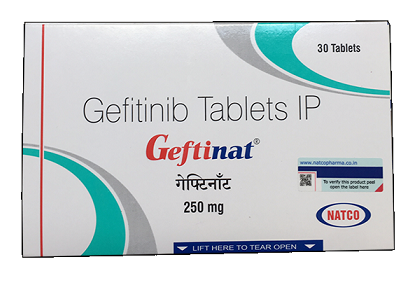
Gefitinib (Gefitinib) is a drug for the treatment of non-small cell lung cancer and belongs to the category of tyrosine kinase inhibitors (TKIs). Although gefitinib plays an important role in tumor treatment, it may also bring some potential physical harm and side effects. The dangers of gefitinib are discussed in detail below.
1. Side effects: Gefitinib may cause a series of side effects, including but not limited to skin reactions (such as rash, itching, dryness, inflammation), nausea, vomiting, diarrhea, fatigue, loss of appetite, etc. Among them, skin reactions are more common when using gefitinib and may affect the patient's quality of life.
2. Drug interactions: Gefitinib may interact with other drugs, affecting their efficacy or increasing the risk of side effects. While using gefitinib, patients should avoid using it concurrently with certain drugs to avoid adverse reactions.
3. Abnormal liver function: Gefitinib may cause abnormal liver function, including elevated liver enzymes. Patients need to regularly monitor liver function while taking the drug to ensure that the drug is not causing serious damage to the liver.
4. Respiratory system problems: Although gefitinib is used to treat lung cancer, respiratory system-related problems may occur during use, such as coughing, wheezing, chest tightness, etc.
5. Cardiovascular problems: Gefitinib may have adverse effects on the cardiovascular system, including arrhythmia, hypertension, etc. Patients need to closely monitor their cardiovascular health while using the medication.
6. Renal function problems: Some patients may develop abnormal renal function after using gefitinib, and renal function needs to be monitored regularly to ensure that the drug does not cause damage to the kidneys.
7. Drug tolerance: Some patients may develop drug tolerance after using gefitinib for a period of time, resulting in a weakening of the drug's efficacy. This may require your doctor to adjust your treatment plan or try other medications.
8. Genetic mutations: During treatment with gefitinib, tumor cells may develop new genetic mutations that affect the drug's efficacy. This is one of the factors that requires close monitoring during treatment.
9. Drug discontinuation syndrome: When discontinuing gefitinib, some patients may develop drug discontinuation syndrome, which is manifested by symptoms such as pain, fever, and muscle pain. This requires gradual discontinuation of the drug under the guidance of a doctor to reduce discomfort.
10. Drug cost: As a targeted drug, the treatment cost of gefitinib is relatively high, which may cause financial pressure on patients.
Although gefitinib has an important role in the treatment of non-small cell lung cancer, patients and doctors need to weigh its potential benefits and risks when using the drug. During treatment, regular medical monitoring, close communication, and following your doctor's recommendations are crucial. Only by using gefitinib rationally under the guidance of a doctor can its harm to the body be minimized.
Gefitinib was launched in China in 2005. At that time, the price of a box was about 5,000 yuan. Enter medical insurance in China in 2017. The price after medical insurance has dropped a lot. For the specific price after medical insurance, please consult the local hospital pharmacy or the medical insurance bureau. Other versions include original drugs and cost-effective generic drugs. Generic drugs include generic drugs from India, Bangladesh and Laos. The prices vary with different specifications, about 200~800yuan, and the ingredients of generic drugs are basically the same as domestic drugs.
[ 免责声明 ] 本页面内容来自公开渠道(如FDA官网、Drugs官网、原研药厂官网等),仅供持有医疗专业资质的人员用于医学药学研究参考,不构成任何治疗建议或药品推荐。所涉药品可能未在中国大陆获批上市,不适用于中国境内销售和使用。如需治疗,请咨询正规医疗机构。本站不提供药品销售或代购服务。


