
.jpeg)
How to deal with Gefitinib resistance?
Gefitinib (Gefitinib) is a targeted therapy drug mainly used for the treatment of non-small cell lung cancer (NSCLC). However, due to the complexity of drug therapy and the genetic variability of tumors, some patients may develop resistance to gefitinib. Gefitinib resistance has a negative impact on patient outcomes, so it is crucial to find effective resistance management strategies. This article will discuss the management of gefitinib resistance, aiming to help patients and doctors develop more effective treatment plans.
1. Understanding of resistance mechanisms: First, we must understand the mechanisms that lead to resistance to gefitinib. Gefitinib resistance can be divided into two types: targeted and non-targeted. Targeted drug resistance is usually related to changes in tumor-related signaling pathways in tumor cells, such as the emergence of EGFR mutations. Non-targeted drug resistance may involve factors such as changes in the tumor microenvironment.
2. Molecular analysis and genetic testing: For patients who are resistant to gefitinib, molecular analysis and genetic testing are key. By detecting genetic variations in tumor tissue, it can be determined whether mutations leading to drug resistance have occurred. This helps doctors develop more targeted treatment plans.
3. Adjustment of treatment strategy: Based on the genetic test results, doctors can choose to adjust the patient's treatment strategy. Possible options include replacing other targeted therapy drugs, using combination drugs, or using other treatments such as radiotherapy and chemotherapy. This requires developing the most appropriate plan based on individual circumstances.
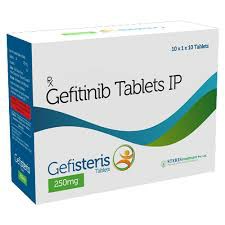
4. Combination therapy: A common resistance management strategy is to use combination therapy. This means using multiple different drugs simultaneously to attack tumor cells, reducing the risk of drug resistance. For example, gefitinib can be combined with other targeted or chemotherapy drugs to enhance efficacy.
5. Immunotherapy: Immunotherapy is one of the important breakthroughs in the field of tumor treatment in recent years. Immunotherapy may be a promising option for patients who are resistant to gefitinib. By activating the patient's own immune system to attack tumor cells, tumor growth can be effectively inhibited.
6. Clinical trials and new drug development: Participating in clinical trials or using new drugs is also a way to deal with gefitinib resistance. Many new targeted therapies and immunotherapies are being developed and tested and may offer new hope for drug-resistant patients.
7. Lifestyle and supportive care: In addition to drug treatment, maintaining a healthy lifestyle is also crucial to improving patients' ability to fight cancer. Reasonable diet, moderate exercise and psychological support can help patients better cope with drug resistance.
Gefitinib was launched in China in 2005. At that time, the price of a box was about 5,000 yuan. Enter medical insurance in China in 2017. The price after medical insurance has dropped a lot. For the specific price after medical insurance, please consult the local hospital pharmacy or the medical insurance bureau. Other versions include original drugs and cost-effective generic drugs. Generic drugs include generic drugs from India, Bangladesh and Laos. The prices vary with different specifications, about 200~800yuan, and the ingredients of generic drugs are basically the same as domestic drugs.
[ 免责声明 ] 本页面内容来自公开渠道(如FDA官网、Drugs官网、原研药厂官网等),仅供持有医疗专业资质的人员用于医学药学研究参考,不构成任何治疗建议或药品推荐。所涉药品可能未在中国大陆获批上市,不适用于中国境内销售和使用。如需治疗,请咨询正规医疗机构。本站不提供药品销售或代购服务。


