
.jpeg)
What is the difference between Gefitinib and Osimertinib? Which one is better? How to choose?
Gefitinib (Gefitinib) and osimertinib (Osimertinib) are two drugs used to treat non-small cell lung cancer (NSCLC), specifically for patients with epidermal growth factor receptor (EGFR) gene mutations. There are some important differences in treatment strategies and efficacy between these two drugs, and patients should choose the appropriate drug based on their individual circumstances and doctor's advice.
1.Gefitinib (Gefitinib):
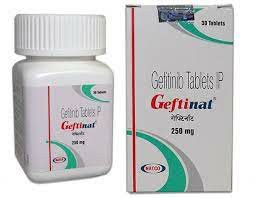
Gefitinib is a first-generation EGFRtyrosine kinase inhibitor that has demonstrated certain efficacy in EGFR mutation-positive NSCLC patients. The following are some features of gefitinib:
How it works: Gefitinib inhibits the EGFRtyrosine kinase activity and interferes with the EGFR pathway, thereby inhibiting the growth and spread of tumor cells.
Clinical efficacy: Gefitinib has demonstrated significant efficacy in EGFR mutation-positive NSCLC patients in multiple clinical trials. It can prolong progression-free survival (PFS) and overall survival (OS) and improve patient survival rates.
Side effects: Common side effects of gefitinib include rash, diarrhea, nausea, vomiting, abnormal liver function, etc. Rashes are common but are usually mild and symptoms can be alleviated with appropriate management.
2.Osimertinib (Osimertinib):
Osimertinib is a third-generation EGFRtyrosine kinase inhibitor specifically used to treat EGFR T790M mutation-positive NSCLC patients. The following are some features of osimertinib:
How it works: Osimertinib inhibits the activity of EGFRtyrosinase kinase and is more selective for the EGFR T790M mutation, which is a mutation that leads to drug resistance.
Clinical efficacy: Osimertinib has demonstrated excellent efficacy in EGFR T790M mutation-positive NSCLC patients in multiple clinical trials. It can significantly extend PFS and improve survival rates while reducing the risk of drug resistance.
Side Effects: Side effects of osimertinib are generally relatively mild and may be easier to tolerate than first-generationEGFR TKIs. Common side effects include rash, diarrhea, nausea, pneumonia, etc.
How to choose:
The choice between gefitinib and osimertinib usually depends on the patient’s specific circumstances:
1.EGFRMutation type: If the patient has the EGFR T790M mutation in their lung cancer, osimertinib may be a better choice because it shows higher efficacy in this subpopulation. In the absence of the T790M mutation, gefitinib or other first-generation EGFR TKIs are generally preferred.
2.Treatment history: If the patient has previously been treated with a first-generation EGFR TKI and has developed resistance, and is found to have the T790M mutation, then osimertinib may be a better choice.
3.Side effects and tolerance: The patient's individual tolerance and side effects also need to be considered. Osimertinib is generally better tolerated in terms of side effects, but different patients may respond differently.
4.Doctor Recommendations: Most importantly, patients should consult a lung cancer specialist or physician to develop the most appropriate treatment plan based on their specific situation and diagnosis.
In summary, both gefitinib and osimertinib are important treatment options, but the choice should be based on the patient's genotype, medical history, individual characteristics, and physician recommendations. Treatment decisions should be individualized to maximize patient outcomes and survival. In addition, clinical trials and studies are ongoing and new treatment strategies are constantly emerging, so patients and physicians should stay up-to-date on medical information and treatment options.
Gefitinib was launched in China in 2005. At that time, the price of a box was about 5,000 yuan. In 2017 it entered the domestic medical insurance. After the medical insurance, the price dropped a lot. There are domestically produced drugs in the country. For the specific price after the medical insurance, please consult the local hospital pharmacy or the medical insurance bureau. Other versions include original drugs and cost-effective generic drugs. Generic drugs include generic drugs from India, Bangladesh and Laos. The prices vary with different specifications, about 200~800yuan, and the ingredients of generic drugs are basically the same as domestic drugs.
Osimertinib has been launched in China and is included in medical insurance, so patients can purchase it at domestic pharmacies. The price is generally around 4000~6000 yuan. Due to different medical insurance policies in different places, the price is also different. For details, please consult the local pharmacy or medical insurance bureau. There are original drugs and generic drugs abroad. The original drugs can be purchased domestically because they are already on the market in China. Foreign generic drugs of Osimertinib are much cheaper than domestic ones. Foreign generic drugs are mainly Laos generic drugs and Bangladeshi generic drugs. Generic drugs are basically around a few hundred yuan, and the price is still very cheap. And the ingredients of generic drugs are basically the same as those of domestic original drugs.
[ 免责声明 ] 本页面内容来自公开渠道(如FDA官网、Drugs官网、原研药厂官网等),仅供持有医疗专业资质的人员用于医学药学研究参考,不构成任何治疗建议或药品推荐。所涉药品可能未在中国大陆获批上市,不适用于中国境内销售和使用。如需治疗,请咨询正规医疗机构。本站不提供药品销售或代购服务。


