
.jpeg)
Chinese instructions for Gilteritinib
1. Indications: Gilteritinib (Gilteritinib) is a drug used to treat FLT3 mutation-positive acute myeloid leukemia (FLT3-positive acute myeloid leukemia, AML) drugs. FLT3Mutation is a common variation in this type of leukemia, which can lead to abnormal proliferation of leukemia cells. Giritinib helps control the growth of leukemia cells by inhibiting FLT3 tyrosine kinase activity.
2. Mechanism of action: The mechanism of action of giritinib is based on the inhibition of FLT3 receptor tyrosine kinase. FLT3 is a receptor tyrosine kinase that regulates cell growth and differentiation in normal cells. However, in FLT3 mutation-positive AML patients, the FLT3 gene is mutated, leading to abnormal activation of the FLT3 receptor. This abnormal activation promotes abnormal proliferation and growth of AML cells and accelerates the progression of the disease.
Giritinib interferes with abnormal signaling pathways by selectively inhibiting the activity of FLT3 receptor tyrosine kinase, thereby slowing down the growth and spread of leukemia cells. This makes geritinib an important tool in the treatment of FLT3 mutation-positive AML.
3. Pharmacology: Giritinib is gradually absorbed through oral administration and enters the blood circulation. It is metabolized into active metabolites in the body, primarily through the liver enzyme system. Giritinib has a relatively short half-life and is usually administered once daily or as prescribed by a physician. Its main excretion route in the body is through urine.
4. Dosage and usage: Patients should use giritinib correctly according to the doctor’s prescription and advice. Typically, the recommended dose is once daily orally, which can be taken before or after meals to reduce the occurrence of gastrointestinal discomfort. Specific adjustments in dosage and duration will be based on the patient's condition and individual circumstances and should be determined by the physician.
5. Side Effects: Geritinib treatment may cause some side effects. The specific side effects and severity vary depending on individual differences. The following are some possible side effects:
1.Nausea and vomiting: Some patients may experience nausea and vomiting after taking this medication, but these symptoms can usually be alleviated with medical management recommended by a physician.
2.Fatigue: Patients may feel tired or weak.
3. Abnormal liver function: Giritinib may cause abnormal liver function, so liver function needs to be monitored regularly. If symptoms such as jaundice or elevated liver enzymes occur, the doctor should be notified promptly.
4.Electrocardiogram changes: Giritinib may have an impact on the heart, and regular electrocardiogram monitoring is required to monitor heart health.
5.Bleeding tendency: Giritinib may reduce the number of platelets and increase bleeding tendency. Patients need to check their platelet count regularly and pay attention to bleeding symptoms.
6.Skin reactions: Some patients may experience skin reactions, such as rash or itching. Physicians should be informed promptly for appropriate treatment recommendations.
The side effects listed above are not a complete list. Patients should pay close attention to their physical condition during medication, communicate with their doctors in a timely manner, and report any discomfort or side effects.
6. Warnings and Precautions
Patients should pay attention to the following warnings and precautions when using giritinib:
1.Liver function monitoring: Monitor liver function regularly to ensure that no liver problems occur.
2.Heart Monitoring: Check your EKG regularly to monitor your heart health.
3.Bleeding risk: Pay attention to bleeding tendency, especially in the early stage of treatment. If there is abnormal bleeding or congestion, seek medical attention promptly.
4.Pregnant women should avoid contact with giritinib: giritinib may cause damage to the embryo. Pregnant women should avoid contact with giritinib or take appropriate measures under the advice of a physician.
5.Drug interactions: Patients should inform their physician of other medications they are taking to avoid drug interactions.
7. Contraindications
The use of giritinib may be contraindicated by:
1.Patients who are allergic to giritinib or drug ingredients.
2.Pregnant and nursing women, unless under the supervision of a physician.
3.Patients with severe liver disease or other vital organ dysfunction.
4.The physician will determine whether the use of gilitinib is contraindicated after evaluating the patient's condition and medical history.
8. Drug interactions
Giritinib may interact with other drugs, so patients should inform their physician of all medications they are taking, including prescription drugs, over-the-counter drugs, and supplements. Some drugs that may interact with giritinib include:
1.Drugs that have cardiac effects, such as arrhythmia drugs.
2.Drugs with hepatic metabolism may affect the metabolism and concentration of giritinib.
3.Drugs with bleeding risks may increase bleeding tendency.
4.Physicians will evaluate drug interactions and adjust treatment plans based on the patient's specific conditions.
9. Medication for Special Populations
Special populations such as children, elderly patients, pregnant and lactating women may require special medication considerations. Physicians will develop an appropriate medication regimen based on the patient's age, gender, reproductive capacity, and overall health. For children and adolescents, the dose needs to be adjusted based on factors such as their age and weight.
Please note that the information provided in this instruction manual is for reference only. Patients should consult a physician before using giritinib to obtain detailed medication guidance and personalized advice. The physician will develop the most appropriate treatment plan based on the patient's condition and specific circumstances to ensure safe and effective treatment.
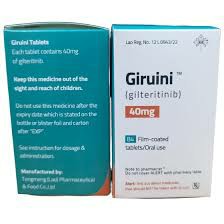
10. Availability and price: Giritinib is currently on the market in China, but it is not included in medical insurance. If patients need it, they can go to the hospital to buy it at their own expense, but the price is very high, about 35,000 yuan. For specific prices, please consult the local hospital pharmacy.
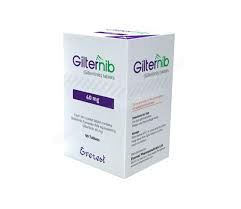
Foreign original drugs of gilitinib are even more expensive. For example, the price of the Hong Kong version of the original drug is around 90,000 yuan, and the European version of the original drug is as high as more than 200,000 yuan, which is simply unaffordable for ordinary patients. But what is gratifying is that there are already foreign generic drugs of giritinib, mainly Laotian generic drugs. The price is about four to five thousand yuan, which is relatively cheap. In terms of drug ingredients, the ingredients of domestic and foreign original gilitinib drugs are basically the same as those of generic drugs.
[ 免责声明 ] 本页面内容来自公开渠道(如FDA官网、Drugs官网、原研药厂官网等),仅供持有医疗专业资质的人员用于医学药学研究参考,不构成任何治疗建议或药品推荐。所涉药品可能未在中国大陆获批上市,不适用于中国境内销售和使用。如需治疗,请咨询正规医疗机构。本站不提供药品销售或代购服务。


