
.jpeg)
Precautions when using Glasdegib
Using Glasdegib (Glasdegib) is an important step in the treatment of acute myeloid leukemia (AML), but patients need to pay special attention to certain things to ensure safe and effective treatment. The following are precautions when using Glasgib to help patients understand how to use this medication correctly and minimize potential risks.
1. Follow your doctor’s prescriptions and recommendations: The first and most important thing to note is to always follow your doctor’s prescriptions and recommendations. The dosage and usage of Glasgib should be determined by a physician based on the patient's condition and specific circumstances. Patients should not change their dosage or stop taking the medication unless directed by their doctor.
2. Regular medical monitoring: Patients need to receive regular medical monitoring while using Glasgib. This usually includes blood tests to monitor things like white blood cells, platelets, and hemoglobin levels. Monitoring helps doctors understand how well medications are working and the patient's overall health.
3. Side effects management: Glasgib may cause some side effects, such as nausea, vomiting, diarrhea, fatigue, headache, etc. Patients should promptly report any symptoms of discomfort to their doctor. Your doctor can provide management recommendations, including medications or dietary modifications to reduce side effects.
4. Diet and Medication: Glasgib is usually taken with food, which helps improve the absorption of the medication. Patients can choose to take their medication at a fixed time point each day to ensure consistency. Also, avoid high-fat meals, as these may affect the absorption of Glass Gibb.
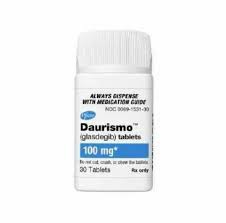
5. Pregnancy and Contraception: In female patients, Glasgib may be harmful to pregnancy. Therefore, effective contraception should be used during and after treatment to prevent pregnancy. Patients should inform their doctor immediately if they plan to become pregnant or suspect that they may be pregnant.
6. Drug Interactions: Patients should inform their doctors about all drugs, over-the-counter drugs, supplements, and herbal products they are using. Certain medicines may interact with glabragib, affecting its effectiveness or increasing the risk of side effects. A doctor can evaluate these medications and provide appropriate recommendations.
7. Risk of Myelosuppression: Glasgib may cause myelosuppression, including anemia, thrombocytopenia, and leukopenia. Patients need regular blood tests to monitor their blood cell counts. Avoid contact with risk factors that may cause bleeding or infection, such as sharp objects and known sources of infection.
8. Liver function monitoring: Patients may need to check liver function regularly during treatment to ensure that the drug does not cause damage to the liver. If signs of abnormal liver function occur, your doctor may need to adjust the dose or take other necessary measures.
9. Avoid alcohol and drug abuse: Alcohol and drug abuse may affect the effectiveness of Glasgib and increase the risk of side effects. Patients should avoid alcohol and illegal drug use.
Overall, glasgiib is an important drug for the treatment ofAML, but patients need to closely follow their doctor's recommendations, receive regular medical monitoring, and know how to manage possible side effects. Only by using drugs correctly under the guidance of a doctor can you obtain the best therapeutic effect and minimize potential risks. If patients have any concerns or questions, they should promptly consult their doctor for support and guidance.
Glassgib is not yet available in the country, so it cannot be included in medical insurance. Patients cannot purchase it domestically and need to purchase Glassgib through overseas channels. In foreign countries, only Pfizer's original drug is available, and the price is high. The European version of the original drug is about 160,000 yuan.
[ 免责声明 ] 本页面内容来自公开渠道(如FDA官网、Drugs官网、原研药厂官网等),仅供持有医疗专业资质的人员用于医学药学研究参考,不构成任何治疗建议或药品推荐。所涉药品可能未在中国大陆获批上市,不适用于中国境内销售和使用。如需治疗,请咨询正规医疗机构。本站不提供药品销售或代购服务。


