
.jpeg)
Comparison of Isatuximab-irfc and Daratumumab
Isatuximab-irfc and daratumumab (Daratumumab) are two monoclonal antibody drugs used to treat multiple myeloma (Multiple Myeloma, MM). They both play an important role in the treatment of multiple myeloma, but there are some differences in some aspects. In this article, we will compare the differences in characteristics, mechanisms, efficacy, and side effects of these two drugs.
1.Drug mechanism:
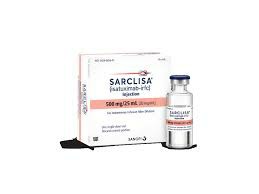
Isatuximab: Isatuximab is a CD38 inhibitor that induces cell apoptosis and inhibits cell proliferation by binding to CD38 molecules on the surface of multiple myeloma cells. In addition, it activates natural killer cells in the immune system and enhances their ability to attack cancer cells.
Daratumumab: Daratumumab is also a CD38 inhibitor that binds to CD38 molecules on the surface of multiple myeloma cells to inhibit cell growth and induce apoptosis. In addition, daratumumab can also promote antibody-dependent cytotoxicity (Antibody-Dependent Cellular Cytotoxicity, ADCC) and enhance the immune system's ability to attack cancer cells.
2.Indications:
Isatuximab: Isatuximab is used in the treatment of multiple myeloma, often in combination with other drugs (such as hormones, immunomodulators, chemotherapy drugs), especially in the treatment of relapsed or refractory multiple myeloma.
Daratumumab: Daratumumab is also used in the treatment of multiple myeloma and is typically used at different stages of multiple myeloma treatment, including in newly diagnosed patients, relapsed or refractory patients, and before and after stem cell transplantation.
3.Treatment plan:
Isatuximab: Isatuximab is often given in combination with hormones and other drugs (such as dexamethasone) to form a multidrug regimen. The specific combination and sequence of treatment plans will vary based on the patient's condition.
Daratumumab: Daratumumab is also used with other drugs (such as hormones, immunomodulators, chemotherapy drugs), often as part of multidrug therapy.
4.Effectiveness:
Isatuximab: Isatuximab has shown significant efficacy in multiple myeloma in clinical trials, including improving patient survival and reducing disease symptoms.
Daratumumab: Daratumumab has also shown significant efficacy in multiple myeloma, particularly in patients with relapsed multiple myeloma. It helps improve treatment response rates and prolong patient survival.
5.Side effects:
Isatuximab: Common side effects of isatuximab include infection, anemia, thrombocytopenia, nausea, vomiting, and fatigue. In addition, due to its action on the immune system, it may induce immune-related side effects such as immunosuppression.
Daratumumab: Common side effects of daratumumab include infection, anemia, thrombocytopenia, nausea, vomiting, respiratory infection, etc. Immune-related side effects may also occur.
In general, both isatuximab and daratumumab are important drugs for the treatment of multiple myeloma. They have some differences in their mechanisms, indications, treatment options, efficacy and side effects. Treatment options for multiple myeloma often depend on the patient's specific situation, doctor's recommendations, and available medications. Therefore, patients should develop a treatment plan that best suits them based on their individual condition and needs, under the guidance of medical professionals. At the same time, close monitoring and regular follow-up are also important to ensure treatment effectiveness and manage side effects.
[ 免责声明 ] 本页面内容来自公开渠道(如FDA官网、Drugs官网、原研药厂官网等),仅供持有医疗专业资质的人员用于医学药学研究参考,不构成任何治疗建议或药品推荐。所涉药品可能未在中国大陆获批上市,不适用于中国境内销售和使用。如需治疗,请咨询正规医疗机构。本站不提供药品销售或代购服务。


