
.jpeg)
Ipilimumab combined with nivolumab in the treatment of melanoma
Ipilimumab and nivolumab (Nivolumab) are two immunotherapy drugs that are often used in combination to treat a variety of cancers, especially malignant melanoma (malignant melanoma) and some other tumors. This combination treatment regimen has shown excellent anti-cancer effects in clinical trials, providing hope for some patients, especially those with advanced cancer. In the next 1000words, we will explore the drug properties, mechanisms of action of ipilimumab and nivolumab and how they can be used together to enhance the immune system's ability to fight cancer.
Ipilimumab (Ipilimumab):
Ipilimumab is an immune checkpoint inhibitor that targets CTLA-4 (cytotoxicTlymphocyte antigen4) in the immune system. CTLA-4 is a protein that negatively regulates immune response. It can inhibit the activity of T cells, thereby reducing the immune system’s attack on cancer cells. The mechanism of action of Ipilimumab is to prevent the inhibitory effect of CTLA-4 and enhance the activity of T cells, thereby strengthening the immune system's recognition and attack of cancer cells.
Nivolumab (Nivolumab):
Nivolumab is another immune checkpoint inhibitor that acts on thePD-1 (programmed cell death1) receptor. PD-1 is a protein on the surface of T cells. When PD-1 and its ligand (PD-L1 and PD-L2) combine to weaken the activity of T cells, allowing cancer cells to evade immune attack. Nivolumab blocks this inhibitory effect by inhibiting the binding of PD-1 to its ligand, allowing T cells to attack cancer cells more effectively.
Principle of joint application:
Ipilimumab and nivolumab have different mechanisms of immune checkpoint inhibition. Ipilimumab targetsCTLA-4, while nivolumab targetsPD-1. By inhibiting both immune checkpoints simultaneously, combined application can achieve the following effects:
1.Double immune enhancement: Combined application can simultaneously enhance the activity ofT cells because it prevents the inhibitory effect of two different immune checkpoints. This means it is easier for the immune system to recognize and attack cancer cells.
2.Coping with immune evasion: Some cancer cells can evade immune system attack through a variety of mechanisms. Combination application can more comprehensively deal with this immune evasion because it acts on two different immunosuppressive pathways simultaneously.
3.Enhanced clinical efficacy: In multiple clinical trials, the combination of ipilimumab and nivolumab has shown excellent anti-cancer effects, especially in malignant melanoma and some other cancer types. Patients may see better survival rates and longer survival.
Indications:
The combination of ipilimumab and nivolumab has been approved for the treatment of a variety of cancers, including but not limited to:
1.Malignant melanoma: This is one of the most widely used areas of combined therapy. Malignant melanoma is often difficult to cure, but combination therapy with ipilimumab and nivolumab has shown encouraging results.
2.Lung cancer: Certain types of lung cancer, such as non-small cell lung cancer, may also be considered for combination therapy.
3.Other cancer types: Some other types of cancer, such as kidney cancer, colorectal cancer, etc., may also use combination application in specific circumstances.
Adverse reactions:
Although combined application can significantly enhance the immune system's ability to attack cancer, it may also cause some adverse reactions. These adverse reactions may include immune-related skin inflammation, gastrointestinal problems, immune-related thyroid disease, etc. Therefore, when using combination therapy with ipilimumab and nivolumab, physicians often need to monitor patients closely and take necessary steps to manage these adverse effects.
In summary, the combination of ipilimumab and nivolumab represents an important advance in the field of tumor immunotherapy. By acting on two different immune checkpoints at the same time, they significantly enhance the immune system's ability to attack cancer, providing new treatment options and hope for some cancer patients. However, combination therapy is also accompanied by some adverse reactions, so it needs to be carried out under the supervision of a professional doctor and individualized management based on the specific situation of the patient. Research in this area is still evolving, and there may be more advancements and innovations in the future to improve survival and quality of life for cancer patients.
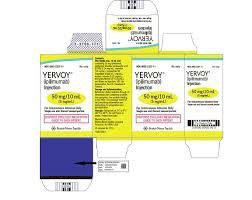
Ipilimumab is not currently available in China, so patients cannot purchase it domestically and can only purchase it through overseas purchase channels. There are only original drugs of Ipilimumab abroad, mainly Turkish original drugs and Bristol-Myers Squibb original drugs. The price of Turkish original drugs is around 12,000 yuan, and the specification is 50mg/10ml
Nivolumab has been launched in China, but it is not yet included in medical insurance. Patients can buy it domestically, but the domestic price is relatively expensive, ranging from 4500 to 5500 yuan. The prices in pharmacies vary from place to place. Please consult your local pharmacy for details. Nivolumab abroad is mainly an original drug. The cheaper one is the original drug from Turkey. The price is about more than 2,000 yuan, which is consistent with the ingredients of domestic nivolumab.
[ 免责声明 ] 本页面内容来自公开渠道(如FDA官网、Drugs官网、原研药厂官网等),仅供持有医疗专业资质的人员用于医学药学研究参考,不构成任何治疗建议或药品推荐。所涉药品可能未在中国大陆获批上市,不适用于中国境内销售和使用。如需治疗,请咨询正规医疗机构。本站不提供药品销售或代购服务。


