
.jpeg)
What are the side effects of lpilimumab?
Ipilimumab (Ipilimumab), as an immunotherapy drug, can enhance the immune system while causing some immune-related adverse reactions, which are often called side effects. The severity and pattern of side effects vary from person to person, but here are some common and serious ipilimumab side effects that may occur:
1. Immune skin reaction: This is one of the most common side effects of ipilimumab. It may manifest as rashes, itching, dry skin, hyperpigmentation, blisters and other skin problems. Sometimes more serious skin reactions, such as immune skin inflammation or drug-associated lupus, may develop. Patients need to pay close attention to skin changes and report them to their doctor promptly.
2. Gastrointestinal adverse reactions: Ipilimumab may cause gastrointestinal discomfort, including nausea, vomiting, diarrhea, abdominal pain and loss of appetite. In severe cases, gastrointestinal inflammation, even ulcers and bleeding may occur. These symptoms may require medication and fluid replacement.
3. Immune hepatitis: Ipilimumab can cause liver problems, including immune hepatitis. Patients may experience fatigue, jaundice (yellowing of the skin and eyes), abdominal discomfort, and abnormal liver function tests. Liver monitoring is critical during treatment.
4. Immune thyroid disease: Ipilimumab may cause thyroid problems such as hyperthyroidism (an overactive thyroid gland) or hypothyroidism (an underactive thyroid gland). This may manifest as symptoms such as anxiety, fast heartbeat, weight changes, fatigue, and more.
5. Immune pneumonitis: Although less common, ipilimumab may also cause immune pneumonitis. Patients may experience symptoms such as shortness of breath, cough, and chest pain. This requires immediate medical attention.
6. Immune-related neurological disorders: Some patients may experience immune-related neurological disorders, such as neuroinflammation or neuropathy. This can lead to symptoms such as paresthesia, muscle weakness, blindness, and unsteady gait.
7. Immune muscle diseases: Ipilimumab may also cause immune muscle diseases, such as myasthenia. This can lead to muscle weakness, fatigue, and movement disorders.
8. Immune ophthalmia: Some patients may experience immune ophthalmia, manifesting as eye pain, redness, blurred vision and other symptoms.
9. Other immune-related side effects: In addition to the common side effects mentioned above, ipilimumab may also cause other immune-related adverse reactions, such as immune arthritis, immune nephritis, etc.
It needs to be emphasized that although ipilimumab can enhance the attack power of the immune system, it will also lead to a strengthening of the autoimmune response, which may cause the above-mentioned immune-related side effects. Patients need to receive regular monitoring and evaluation by their physician during treatment with ipilimumab, as well as necessary laboratory tests and imaging tests, for early detection and management of possible side effects. During treatment, it is important to promptly report any discomfort or unusual symptoms to your doctor to ensure safe and effective treatment. Management of side effects often involves medication, symptom relief, and suspension or modification of treatment, which requires professional guidance from a physician.
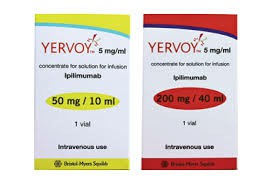
Ipilimumab is not currently available in China, so patients cannot purchase it domestically and can only purchase it through overseas purchase channels. There are only original drugs of Ipilimumab abroad, mainly Turkish original drugs and Bristol-Myers Squibb original drugs. The price of Turkish original drugs is around 12,000 yuan, and the specification is 50mg/10ml
[ 免责声明 ] 本页面内容来自公开渠道(如FDA官网、Drugs官网、原研药厂官网等),仅供持有医疗专业资质的人员用于医学药学研究参考,不构成任何治疗建议或药品推荐。所涉药品可能未在中国大陆获批上市,不适用于中国境内销售和使用。如需治疗,请咨询正规医疗机构。本站不提供药品销售或代购服务。


