
.jpeg)
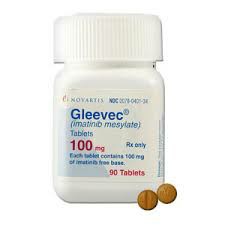
Imatinib (Imatinib) Chinese instructions
1. Indications
Imatinib is a tyrosine kinase inhibitor used to treat the following conditions:
Chronic myeloid leukemia (Chronic Myeloid Leukemia, CML): Imatinib is used to treat CML, particularly in CML patients with BCR-ABL fusion gene abnormalities.
Acute Lymphoblastic Leukemia, ALL): Imatinib may be used in some ALL patients, especially if the BCR-ABL fusion gene abnormality is present.
Cortical renal cancer (Gastrointestinal Stromal Tumor, GIST): Imatinib can be used to treat GIST because it inhibits the abnormal activity of KIT tyrosine kinase.
2. Mechanism of action
The main mechanism of action of imatinib is by inhibiting abnormally active tyrosine kinase enzymes, especially BCR-ABLtyrosine kinase and KITtyrosine kinase. These abnormal kinases play a key role in the growth and division of cancer cells, and imatinib inhibits cancer cell proliferation by interfering with their activity.
3. Pharmacology
After imatinib is taken orally, it is usually absorbed in the gastrointestinal tract. It can be metabolized into active metabolites, mainly by the liver's CYP3A4enzyme, and then excreted from the body. Plasma concentrations of imatinib usually require periodic monitoring to ensure that an effective dose is maintained during treatment.
4. Dosage and usage
The dosage and administration of imatinib will vary based on the patient's specific disease and condition, so it is important to follow your doctor's prescription. In general, imatinib is usually taken by mouth once daily, with or without food. Patients should take their medications exactly as recommended by their doctor and do not change the dose or stop taking the medication unless otherwise directed by their doctor.
5. Side Effects
Imatinib may cause some side effects, including but not limited to:
1.Nausea, vomiting, diarrhea and indigestion.
2.Weight gain.
3.Eedema and fluid retention.
4.Abnormal liver function.
5.Skin rash and itching.
6.Muscle or bone pain.
Patients should pay close attention to these side effects while taking the medication and report any discomfort to their doctor. Some side effects may require special treatment or dosage adjustment.
6. Warnings and Precautions
1.While using imatinib, patients need to receive regular monitoring and examinations from doctors to ensure the efficacy and safety of the drug.
2.You should avoid drinking alcohol while taking this medication, as alcohol may increase the toxicity of the medication.
3.Pregnant and breastfeeding women should avoid the use of imatinib because it may have adverse effects on the fetus and infant.
4.Imatinib may interact with other drugs, so before starting treatment with imatinib, patients should inform their doctor about all drugs they are using.
7. Contraindications
Imatinib may be contraindicated in the following circumstances:
1.Patients who are allergic to imatinib or any ingredient in the drug.
2.Pregnant and lactating women, unless deemed necessary by a doctor based on clinical needs.
8. Drug interactions
Imatinib may interact with other medications, including but not limited to:
1.Drugs that inhibit the CYP3A4 enzyme, such as certain antifungals and antidepressants, may increase the plasma concentration of imatinib, thereby increasing toxicity.
2.Certain drugs may reduce the effectiveness of imatinib, such as certain anti-epileptic drugs and oral contraceptives.
3.Patients should inform their doctors of all medications they are taking before taking imatinib so that their doctors can make appropriate adjustments.
9. Medication for Special Populations
1.For elderly patients, the dose of imatinib may need to be adjusted because the metabolism of the drug may be affected by age.
2.In patients with impaired hepatic function, a reduced dose of imatinib or more frequent monitoring of liver function may be necessary.
3.The medication for children and adolescents should be carried out under the guidance of a professional doctor.
10. Listing and price situation:
Imatinib was launched in China as early as 2003. The domestic medical insurance price is about 700 yuan, and the specification is 100mg*60. Due to the large differences in medical insurance in different places, please consult the local pharmacy or medical insurance bureau for specific prices. Foreign medicines are divided into original drugs and generic drugs. Original drugs are mainly Turkish original drugs, and the price is relatively high, about 3300 yuan; generic drugs are mainly Indian generic drugs, and the Indian generic drugs specifications 100mg*120 are priced at around a few hundred yuan, which is much cheaper than domestic ones. The ingredients of foreign original drugs and generic drugs are basically the same as those of domestic imatinib.
[ 免责声明 ] 本页面内容来自公开渠道(如FDA官网、Drugs官网、原研药厂官网等),仅供持有医疗专业资质的人员用于医学药学研究参考,不构成任何治疗建议或药品推荐。所涉药品可能未在中国大陆获批上市,不适用于中国境内销售和使用。如需治疗,请咨询正规医疗机构。本站不提供药品销售或代购服务。


