
.jpeg)
Efficacy and effects of Imatinib
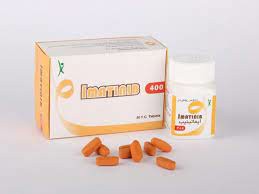
Imatinib (Imatinib), also known as Gleevec (Gleevec) or Glivec (Glivec), is a targeted therapy drug mainly used to treat chronic myeloid leukemia (Chronic Myeloid Leukemia, CML), acute lymphoblastic leukemia (Acute Lymphoblastic Leukemia, ALL) and cortical renal cancer (Gastrointestinal Stromal Tumor, GIST) and other cancers. The mechanism and efficacy of imatinib are as follows:
1. Targeted treatment of cancer gene abnormalities
The most important role of imatinib is to intervene in abnormal genes in cancer cells. In CMLpatients, there is often an abnormality called a BCR-ABL fusion gene. This fusion gene produces the BCR-ABL fusion protein, which has abnormal tyrosine kinase activity and promotes abnormal proliferation of white blood cells, leading to the development of CML. By inhibiting the kinase activity of the BCR-ABL fusion protein, imatinib can control the growth of CML and convert it from a potentially fatal leukemia to a chronic, manageable disease.
In GIST patients, imatinib also interferes with the proliferation of cancer cells by inhibiting the abnormal activity of KIT tyrosine kinase. This precise targeted treatment method has a very significant therapeutic effect on GIST and improves the survival rate of patients.
2. Control the growth and spread of tumors
Imatinib prevents further proliferation of cancer cells by interfering with their growth and division processes. This slows the growth and spread of the tumor so that it does not cause further damage to the body. For patients with CML and GIST, this means better disease management and improved survival.
3. Improve quality of life
The use of imatinib generally results in fewer side effects and is easier for patients to tolerate than traditional chemotherapy drugs. This helps improve the patient's quality of life, allowing them to continue with their normal daily activities and work.
4. Prolong survival
Imatinib has been used with remarkable success in the treatment of CML and GIST. For CML patients, especially in the chronic stage, imatinib can significantly extend the patient's survival. For GIST patients, imatinib also significantly improved the survival rate. These results indicate that the use of imatinib is important in improving the survival prospects of cancer patients.
5. Treat other types of cancer
In addition toCMLandGIST, imatinib has shown promise in treating some other types of leukemias and tumors. Its application in diseases such as ALL has also been explored in research.
Although the application of imatinib has made a significant breakthrough in the field of targeted therapy, it should be noted that it still requires the supervision and management of a doctor because it may cause some side effects and requires regular monitoring. Treatment regimens and dosages will vary depending on a patient's specific condition, so use of imatinib should always be based on your doctor's recommendations.
Imatinib was launched in China as early as 2003. The domestic medical insurance price is about 700 yuan, and the specification is 100mg*60. Due to the large differences in medical insurance in different places, please consult the local pharmacy or medical insurance bureau for specific prices. Foreign drugs are divided into original drugs and generic drugs. Original drugs are mainly Turkish original drugs, and the price is relatively high, about 3300 yuan; generic drugs are mainly Indian generic drugs, and the specifications of Indian generic drugs are 100mg*120The price is around a few hundred yuan, which is much cheaper than in China. The ingredients of foreign original drugs and generic drugs are basically the same as those of domestic imatinib.
[ 免责声明 ] 本页面内容来自公开渠道(如FDA官网、Drugs官网、原研药厂官网等),仅供持有医疗专业资质的人员用于医学药学研究参考,不构成任何治疗建议或药品推荐。所涉药品可能未在中国大陆获批上市,不适用于中国境内销售和使用。如需治疗,请咨询正规医疗机构。本站不提供药品销售或代购服务。


