
.jpeg)
How should I take Imatinib?
Imatinib (Imatinib) is an oral anti-leukemia drug that is also used to treat some other types of cancer, such as gastrointestinal stromal tumor (GIST) and idiopathic pulmonary fibrosis-related chronic myelogenous leukemia (CML). This drug has an important role in cancer treatment because it can help inhibit abnormal white blood cell proliferation, thereby slowing or stopping the growth of cancer. However, the use of imatinib must be supervised and guided by a doctor because it may cause a series of side effects and safety issues. In this article, we will detail the use of imatinib to ensure patients are taking this medication correctly and getting the most benefit.
1. Uses of imatinib
Imatinib is commonly used to treat the following diseases:
1.Chronic myelogenous leukemia (CML): This is one of the most common uses of imatinib. CML is a myelogenous leukemia caused by abnormal proliferation of bone marrow cells. Imatinib controls the disease by inhibiting the proliferation of abnormal white blood cells.
2.Gastrointestinal stromal tumor (GIST): GIST is a rare gastrointestinal tumor. Imatinib can be used to slow or control the growth of the tumor.
3.Chronic myelogenous leukemia associated with idiopathic pulmonary fibrosis (CML): Imatinib is also sometimes used to treat CML associated with idiopathic pulmonary fibrosis.
4.Other leukemias and tumors: Imatinib can sometimes be used to treat other types of leukemias and tumors, but this requires doctor's judgment.
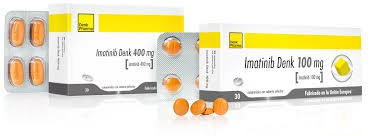
2. How to take imatinib
Imatinib should be taken according to your doctor's prescription and advice, as dosage and treatment regimens may vary depending on the patient's specific condition. The following are general guidelines for the use of imatinib:
1.Take medication according to the doctor’s prescription: First of all, patients should strictly follow the doctor’s prescription. Doctors will determine the dose and frequency of imatinib based on the patient's disease type, disease stage, and overall health.
2.Taking time: Imatinib is usually an oral medication and should be taken within the time recommended by the doctor. Typically, imatinib is taken once daily, preferably at the same time, to ensure stable concentrations of the drug in the body.
3.How to take: Imatinib should usually be taken with a glass of water. Chewing, crushing, or splitting the tablets in half is not recommended. Patients should swallow the tablets whole.
4.Avoid food interference: Some foods may interfere with the absorption of imatinib, so your doctor may recommend avoiding specific types of food before or after taking the drug. Patients should strictly adhere to these recommendations.
5.Side effects management: Imatinib may cause some side effects, including nausea, vomiting, diarrhea, fatigue, etc. If these symptoms occur, patients should tell their doctor immediately so that appropriate treatment can be sought or the dosage of the medication can be adjusted.
6.Regular follow-up: During treatment with imatinib, patients should have regular follow-up visits so that doctors can monitor disease progression and the efficacy of the drug. The doctor may order blood tests and other tests.
7.Do not stop taking imatinib on your own: Patients should not stop taking imatinib without medical guidance. Discontinuation of medication may result in recurrence or worsening of the disease.
Imatinib was launched in China as early as 2003. The domestic medical insurance price is about 700 yuan, and the specification is 100mg*60. Due to the large differences in medical insurance in different places, please consult the local pharmacy or medical insurance bureau for specific prices. Foreign medicines are divided into original drugs and generic drugs. Original drugs are mainly Turkish original drugs, and the price is relatively high, about 3300 yuan; generic drugs are mainly Indian generic drugs, and the Indian generic drugs specifications 100mg*120 are priced at around a few hundred yuan, which is much cheaper than domestic ones. The ingredients of foreign original drugs and generic drugs are basically the same as those of domestic imatinib.
[ 免责声明 ] 本页面内容来自公开渠道(如FDA官网、Drugs官网、原研药厂官网等),仅供持有医疗专业资质的人员用于医学药学研究参考,不构成任何治疗建议或药品推荐。所涉药品可能未在中国大陆获批上市,不适用于中国境内销售和使用。如需治疗,请咨询正规医疗机构。本站不提供药品销售或代购服务。


