
.jpeg)
How to deal with resistance to Imatinib?
When a patient becomes resistant to treatment with imatinib (Imatinib), doctors typically take a series of steps to manage the situation. Managing drug resistance requires a comprehensive consideration of the patient's condition, drug response, molecular analysis, and available treatment options. Here are some possible solutions:
1.Molecular analysis: When drug resistance occurs, molecular analysis can determine the specific cause of drug resistance. This involves testing for mutations in the BCR-ABL gene within leukemia cells. Different types of mutations may require different treatment strategies.
2.Dose adjustment: For some patients, increasing the dose of imatinib may help regain sensitivity to the drug. Doctors will decide whether dose adjustment is needed based on the molecular analysis results and the patient's specific condition.
3.Switching treatment drugs: If imatinib resistance is strong or no longer effective, doctors may consider switching to other targeted treatments. For example, second- and third-generation BCR-ABL inhibitors such as nilotinib, dasatinib, or carfatinib may be alternatives.
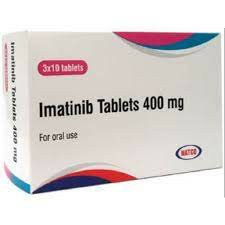
4.Combination therapy: Sometimes, combining several different targeted therapies may improve treatment effectiveness, especially for patients who have developed drug resistance. This strategy can target multiple therapeutic targets simultaneously, reducing the risk of drug resistance.
5.Clinical trials: For some drug-resistant patients, participating in a clinical trial may be an option. Clinical trials often involve the study of new drugs or treatment strategies that may provide patients with more treatment options.
6.Supportive therapy: In addition to treating the leukemia itself, doctors provide supportive therapy to manage drug side effects and maintain the patient's quality of life. This may include medication to control symptoms, nutritional support and psychological support.
Managing imatinib resistance is a complex process that requires individualized treatment options. Patients should work closely with their physician to closely monitor disease progression and treatment effects. Timely communication and medical surveillance are key to managing drug resistance. In the management plan, doctors work to find the most appropriate treatment strategy for the patient to maintain leukemia control and improve survival and quality of life.
Imatinib was launched in China as early as 2003. The domestic medical insurance price is about 700 yuan, and the specification is 100mg*60. Due to the large differences in medical insurance in different places, please consult the local pharmacy or medical insurance bureau for specific prices. Foreign medicines are divided into original drugs and generic drugs. Original drugs are mainly Turkish original drugs, and the price is relatively high, about 3300 yuan; generic drugs are mainly Indian generic drugs, and the Indian generic drugs specifications 100mg*120 are priced at around a few hundred yuan, which is much cheaper than domestic ones. The ingredients of foreign original drugs and generic drugs are basically the same as those of domestic imatinib.
[ 免责声明 ] 本页面内容来自公开渠道(如FDA官网、Drugs官网、原研药厂官网等),仅供持有医疗专业资质的人员用于医学药学研究参考,不构成任何治疗建议或药品推荐。所涉药品可能未在中国大陆获批上市,不适用于中国境内销售和使用。如需治疗,请咨询正规医疗机构。本站不提供药品销售或代购服务。


