
.jpeg)
What are the precautions for taking Orlistat?
During treatment with Orlistat (Orlistat), patients should pay attention to the occurrence of liver damage, oxalate kidney stones and oxalate nephropathy combined with renal failure, cholelithiasis, drug interactions and reduced vitamin absorption, and should not use the drug at will.
1. Liver injury: There are few post-marketing reports of severe liver injury associated with hepatocellular necrosis or acute liver failure in patients treated with orlistat, some of which resulted in liver transplantation or death. Patients should be instructed to report any symptoms of abnormal liver function (anorexia, pruritus, jaundice, dark urine, light-colored stools, or right upper quadrant pain) while taking orlistat. When these symptoms occur, orlistat and other suspected drugs should be discontinued immediately, and liver function tests and ALT and AST level measurements should be performed.
2. Oxalate kidney stones and oxalate nephropathy combined with renal failure: Some patients may experience increased urinary oxalate levels after taking orlistat. Cases of oxalate nephrolithiasis and oxalate nephropathy combined with renal failure have been reported. Monitor renal function when prescribing orlistat to patients at increased risk for oxalate nephropathy (including patients with renal impairment and patients with a history of hyperoxaluria or calcium oxalate kidney stones). Orlistat should be discontinued in patients who develop oxalate nephropathy.
3. Cholelithiasis: Significant weight loss increases the risk of gallstones. In a clinical trial of orlistat to prevent type 2 diabetes, the adverse event rate of cholelithiasis was 2.9% in patients randomly assigned to the orlistat group.
4. Drug interactions and reduced vitamin absorption: May interact with concomitant drugs including cyclosporine, levothyroxine, warfarin, amiodarone, anti-epileptic drugs and antiretroviral drugs. Patients should be strongly advised to take a multivitamin supplement containing fat-soluble vitamins to ensure adequate nutrition, as orlistat has been shown to reduce the absorption of certain fat-soluble vitamins and beta-carotene. Additionally, obese patients may have lower vitamin D and beta-carotene levels compared with non-obese subjects. This supplement should be taken once daily at least 2 hours before or after taking orlistat (such as bedtime).
5. Patients should be advised to adhere to dietary guidelines as gastrointestinal events may be increased. Your daily fat intake should be distributed among three meals. The likelihood of gastrointestinal reactions is increased if orlistat is taken with any meal that is very high in fat.
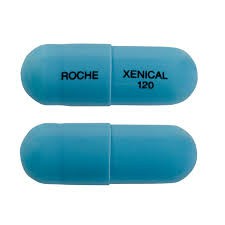
The original drug of Orlistat has been marketed in China, but it has not yet entered the scope of medical insurance. There are also domestically produced drugs developed by other pharmaceutical companies on the market. The price of each box may be around tens of RMB, which is cheap. The price of the Indian version of Orlistat listed overseas is 120mg*84 capsules per box, which may be around a few hundred yuan (the price may fluctuate due to exchange rates). The ingredients of the two drugs are basically the same, but the manufacturers are different, and patients can choose by themselves.
[ 免责声明 ] 本页面内容来自公开渠道(如FDA官网、Drugs官网、原研药厂官网等),仅供持有医疗专业资质的人员用于医学药学研究参考,不构成任何治疗建议或药品推荐。所涉药品可能未在中国大陆获批上市,不适用于中国境内销售和使用。如需治疗,请咨询正规医疗机构。本站不提供药品销售或代购服务。


