
.jpeg)
What’s the difference between dotalizumab (Jemperli) and pembrolizumab (Keytruda)? Which one is better?
Dotalizumab (Jemperli) and pembrolizumab (Keytruda) are two immunotherapy drugs that belong to the antiPD-1/PD-L1 drug class. There is some overlap in their mechanisms of action and areas of application, but there are also some important differences. This article will take an in-depth look at the differences between these two medications and which one may be more appropriate in specific situations.
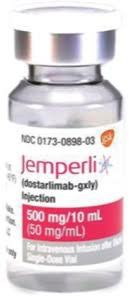
Dotalizumab (Jemperli):
Dotalizumab is an anti-PD-1 drug that is primarily used to treat ovarian cancers with highly unstable microsatellite mismatches (dMMR) or deficient DNA mismatch repair (dMMR). The following are some features and application areas of dotalizumab:
Indications: Dotalizumab is approved for the treatment of dMMR or MSI-H (microsatellite instability high) ovarian cancer, particularly in patients who have not experienced significant benefit from prior treatment.
Mechanism of action: The mechanism of action of dotalizumab is to enhance the immune system's attack on cancer cells by releasing the inhibitory effect of PD-1 on T cells. This helps improve the immune system's immune response and enhances its ability to recognize and eliminate cancer cells.
Side effects: The side effects of dotalizumab include fatigue, nausea, skin inflammation, digestive tract discomfort, etc. More serious side effects may include immune-related inflammation, such as hepatitis, pneumonia, thyroiditis, etc.
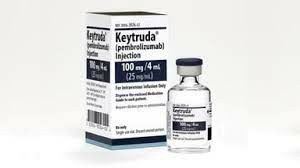
Pembrolizumab (Keytruda):
Pembrolizumab is also an antiPD-1 drug, but has some differences from dotalizumab. The following are some features and application areas of pembrolizumab:
Indications: Pembrolizumab has a wide range of indications, including many different types of cancer, such as melanoma, non-small cell lung cancer, gastrointestinal cancer, head and neck cancer, etc. It may also be used to treat some other cancer types.
Mechanism of action: The mechanism of action of pembrolizumab is similar to that of dotalizumab. It also inhibits the effect of PD-1 and relieves the inhibition of T cells, thereby enhancing the immune system's attack on cancer cells.
Side effects: The side effects of pembrolizumab are similar to those of dotalizumab, including fatigue, rash, nausea, diarrhea, etc. Immune-related side effects may also occur.
Differences and choices:
Now let's look at the differences between these two medications and which one should be chosen in a given situation.
Indications: First of all, dotilizumab is mainly used for the treatment of ovarian cancer, especially for those patients with dMMR or MSI-H characteristics. Pembrolizumab has broader indications and is suitable for multiple cancer types. Therefore, the choice depends on the type of cancer the patient has.
Clinical evidence: Clinical evidence for dolutelimumab is mainly concentrated in the field of ovarian cancer, where it has been approved. For pembrolizumab, extensive clinical trials have been conducted with success in multiple cancer types. Therefore, pembrolizumab may be a more routine option for those with different types of cancer.
Side effects: Both drugs may cause immune-related side effects, such as hepatitis, pneumonia, thyroiditis, etc. The occurrence of side effects may vary among individuals and therefore requires close monitoring and management during treatment. There is not enough evidence that one drug is more likely to cause a specific side effect than another.
Treatment Decisions: The final treatment decision should be made by the patient's physician based on the patient's specific circumstances, type of disease, and clinical guidelines. Doctors will consider a variety of factors, including the patient's health, treatment goals, and expected results to determine which drug is the most appropriate option.
In summary, dotilizumab and pembrolizumab are both anti-PD-1 immunotherapeutics, but they differ in indications and clinical evidence. When choosing which drug to take, the patient's specific condition and type of disease, as well as the doctor's recommendations, should be considered. No one drug fits all, so an individualized treatment plan is crucial. The ultimate goal is to provide optimal treatment results while minimizing side effects.
Dotalizumab is not currently on the market in China, and it is not included in medical insurance. Patients cannot purchase it domestically and need to purchase dotalizumab through overseas channels. There are only original drugs available abroad, mainly from the United States, and the price is as high as about 50,000 yuan.
Currently, pembrolizumab is available in China (domestic name: pembrolizumab), but it is not covered by medical insurance and patients can only purchase it at their own expense. Pembrolizumab is very expensive, about 20,000 yuan. Please consult your local pharmacy for specific information. Pembrolizumab is only the original drug abroad. The price of the Turkish version is around 12,000 yuan, which is nearly half of the domestic price. The European version is more than 20,000 yuan, and the drug ingredients and efficacy are the same as those in China.
[ 免责声明 ] 本页面内容来自公开渠道(如FDA官网、Drugs官网、原研药厂官网等),仅供持有医疗专业资质的人员用于医学药学研究参考,不构成任何治疗建议或药品推荐。所涉药品可能未在中国大陆获批上市,不适用于中国境内销售和使用。如需治疗,请咨询正规医疗机构。本站不提供药品销售或代购服务。


