
.jpeg)
Chinese instructions for Lenalidomide
1. Indications:
Lenalidomide is mainly used for the treatment of the following diseases:
1.Multiple Myeloma (Multiple Myeloma): Multiple myeloma is a malignant hematological disease usually accompanied by bone destruction, anemia and hyperalbuminemia. Lenalidomide is often used in combination with drugs such as dexamethasone in patients with newly diagnosed multiple myeloma and in patients whose disease has relapsed or progressed after first-line therapy.
2.High-risk myelodysplastic syndrome (MDS): Lenalidomide can also be used to treat high-risk MDS patients, helping to improve hematopoietic function and reduce anemia symptoms.
3.Anemia-related conditions: Lenalidomide may also be considered in some conditions where the anemia is related to immune system abnormalities or bone marrow problems.
2. Mechanism of action:
The main mechanisms of action of lenalidomide include:
1.Immune system regulation: Lenalidomide can enhance the activity of the immune system, especially the function of immune effector cells (such as T cells and natural killer cells), helping the body better recognize and attack cancer cells.
2.Inhibit tumor cell proliferation: This drug can interfere with the growth and division of cancer cells, slowing or stopping the spread of tumors.
3.Reduce inflammatory response: Lenalidomide can reduce the inflammatory response caused by tumors and abnormal activity of the immune system.
3. Pharmacology:
The pharmacological characteristics of lenalidomide in the body include:
1.Absorption and distribution: It is well absorbed and distributed into body tissues after oral administration.
2.Metabolism and excretion: Lenalidomide is mainly eliminated from the body through metabolism and excretion.
3.Drug concentration monitoring: During treatment, doctors may need to monitor the patient's blood drug concentration to ensure that the therapeutic effect is achieved and to avoid toxic reactions.
4. Dosage and usage:
The usage of lenalidomide is usually determined by the doctor based on the patient's specific situation, but the general guidance is as follows:
1.Usually, adult patients take it orally once a day with food. The dosage and treatment period will vary depending on the indications.
2.Dosage may be adjusted based on the patient's renal function and hemogram results.
3.Patients should follow their doctor's recommendations and the instructions on the drug label.
5. Side effects:
Lenalidomide may cause some side effects, common ones include:
1.Immune system: It may cause immune system suppression and increase the risk of infection.
2.Anemia: It may cause anemia symptoms, such as fatigue, weakness, etc.
3.Skin reactions: Some patients may experience skin reactions, such as rash or itching.
4.Gastrointestinal problems: including nausea, vomiting, diarrhea, etc.
5.Nervous system symptoms: May cause nervous system reactions such as headaches and insomnia.
6.Others: Other uncommon side effects may occur, such as thrombosis, hypertension, etc.
Patients should pay close attention to any unusual symptoms during medication and report them to their doctor promptly.
6. Warnings and precautions:
1.During treatment, doctors may need to regularly monitor the patient's immune function, blood picture, liver and kidney function, etc. to ensure the safety and effectiveness of the treatment.
2.Women should take effective contraceptive measures during treatment and at least four weeks after treatment, because lenalidomide may cause fetal malformations.
3.Patients should avoid contact with other individuals who may cause infection because the immune system may be suppressed.
4.It should not be used with certain other drugs, so patients should inform their doctor about the drugs they are using.
7. Contraindications:
1.Patients allergic to lenalidomide or its components.
2.Pregnant women or women who did not take effective contraceptive measures before pregnancy.
8. Drug interactions:
Patients should inform their doctors of all medications they are taking before using lenalidomide because it may interact with other medications.
9. Medication for special groups:
1.Children: Lenalidomide is generally not recommended for use in children 18 years of age.
2.Geriatric: Dosage adjustments may be required in elderly patients as renal function may be poorer.
3.Patients with impaired liver and renal function: In patients with impaired liver and renal function, the dosage and usage of lenalidomide may need to be adjusted.
10. Listing and price situation:
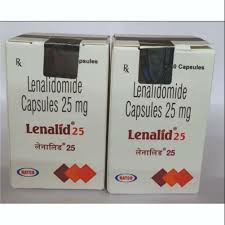
Lenalidomide has been launched in China and has been included in medical insurance. Patients can purchase it domestically. The price is around 3,500~4,000 yuan. Due to different medical insurance policies in various places, the price also varies. Please consult your local pharmacy for specific prices. There are also original research drugs in China, but the price is as high as tens of thousands of yuan, so it is not recommended to buy them. The cheaper ones abroad are mainly generic drugs, including those from India, Bangladesh, and Laos, which cost about a few hundred yuan per box. The ingredients of foreign generic drugs and domestic lenalidomide drugs are basically the same.
The above is the detailed instructions for lenalidomide. Before using this drug, patients should consult their doctor to fully understand the uses, risks and contraindications of the drug, and follow the doctor's recommendations and prescriptions. During treatment, closely monitor any symptoms of discomfort and contact your doctor promptly to ensure optimal treatment results and minimize the risk of side effects.
[ 免责声明 ] 本页面内容来自公开渠道(如FDA官网、Drugs官网、原研药厂官网等),仅供持有医疗专业资质的人员用于医学药学研究参考,不构成任何治疗建议或药品推荐。所涉药品可能未在中国大陆获批上市,不适用于中国境内销售和使用。如需治疗,请咨询正规医疗机构。本站不提供药品销售或代购服务。


