
.jpeg)
What is the difference between lapatinib and pyrotinib?
Lapatinib and pyrotinib (Pyrotinib) are two drugs used to treat breast cancer. They have some important differences in their pharmacology, therapeutic effects, and side effects. In the following 1000 word explanation, I will detail the differences between these two medications.
1.Drug classification and mechanism:
Lapatinib: Lapatinib is a dual tyrosine kinase inhibitor that acts on two key receptors, epidermal growth factor receptor 2 (HER2) and epidermal growth factor receptor (EGFR). By inhibiting the activity of these two receptors, it reduces their role in the growth and spread of cancer cells.
Pyrotinib: Pyrotinib is also a tyrosine kinase inhibitor, but unlike lapatinib, it mainly acts on theHER2 receptor. Pyrotinib is a more selective drug that more specifically inhibits the activity of HER2.
2.Indications:
Lapatinib: Lapatinib is commonly used to treatHER2positive breast cancer, including metastatic breast cancer. It is often used with other drugs, such as trastuzumab, to enhance the effectiveness of the treatment.
Pyrotinib: Pyrotinib is also used to treatHER2positive breast cancer, especially locally advanced or metastatic breast cancer in the first-line setting. Like lapatinib, pyrotinib is often given in combination with other treatments, such as trastuzumab.
3.Drug dosage form and usage:
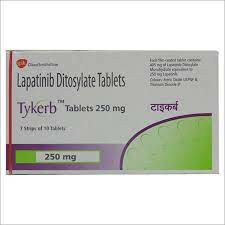
Lapatinib: Lapatinib is usually taken as an oral tablet that patients take daily. Dosage and treatment plans will be based on the patient's specific condition and usually require physician supervision.
Pyrotinib: Pyrotinib is also an oral medication that is taken daily. Usage and dosage will also be individualized based on patient needs.
4.Drug effect:
Lapatinib: Lapatinib slows or stops the growth and spread of cancer cells by inhibiting the activity of HER2 and EGFR. It has shown significant therapeutic effects in patients with HER2 positive breast cancer, extending progression-free survival and overall survival.
Pyrotinib: Pyrotinib is also an effective treatment option, particularly in the first-line treatment ofHER2positive breast cancer. It slows or prevents the proliferation and spread of cancer cells by selectively inhibiting the activity of HER2.
5.Side effects:
Lapatinib: Common side effects of lapatinib include diarrhea, skin rash, vomiting, fatigue, headache, and hand-foot syndrome (redness, swelling, pain, etc. in the hands and feet). Some patients may experience more serious heart problems and require regular monitoring.
Pyrotinib: Side effects of pyrotinib are somewhat similar to those of lapatinib, including diarrhea, skin rash, and abnormal liver function. But pyrotinib is generally better tolerated and causes fewer heart problems.
6.Clinical research and approval status:
Lapatinib: Lapatinib was approved in early clinical trials and has shown promising results in breast cancer patients. It has been approved by drug regulatory agencies in several countries for breast cancer treatment.
Pyrotinib: Pyrotinib is a relatively new drug, but it has been approved in some countries and has shown good results in patients with breast cancer. It is often considered a candidate for first-line treatment.
Overall, lapatinib and pyrotinib are two effective treatmentsHER2Drugs for positive breast cancer have some differences in mechanisms, dosage forms, dosages, side effects, and approval status. Patients should determine the most appropriate treatment options in discussion with their doctor, choosing the appropriate medication based on their specific situation and needs. In addition, because the medical field is constantly evolving and new research and medications may continue to emerge, patients should stay in touch with their medical professionals for the latest treatment information.
Lapatinib is already on the market in China, but it has not yet been included in medical insurance. Patients can purchase it domestically at a price of around 5,000 to 6,000 yuan. Please consult the local hospital pharmacy for specific prices. There are original lapatinib drugs and generic drugs abroad. The original drug is cheaper than the original drug in Türkiye, which costs more than 2,000 yuan. Generic drugs include Indian generic drugs and Bangladeshi generic drugs, and the price is around a few hundred yuan. The ingredients of domestic original drugs, foreign original drugs and generic drugs are basically the same.
[ 免责声明 ] 本页面内容来自公开渠道(如FDA官网、Drugs官网、原研药厂官网等),仅供持有医疗专业资质的人员用于医学药学研究参考,不构成任何治疗建议或药品推荐。所涉药品可能未在中国大陆获批上市,不适用于中国境内销售和使用。如需治疗,请咨询正规医疗机构。本站不提供药品销售或代购服务。


