
.jpeg)
What class of drugs does Siponimod belong to?
Siponimod belongs to a class of drugs called "antagonists". Specifically, it is a drug that antagonizes the modretinoid receptor (S1P1receptor). This type of drug has been widely studied and used in the treatment of autoimmune diseases such as multiple sclerosis (Multiple Sclerosis, MS).
Autoimmune diseases are diseases in which the immune system mistakenly attacks the body's own tissues and organs. The main task of the immune system is to protect the body from external threats such as viruses, bacteria, and other pathogens. However, in autoimmune diseases, the immune system mistakenly identifies the body's healthy tissues as external threats and attacks them, causing inflammation and damage.
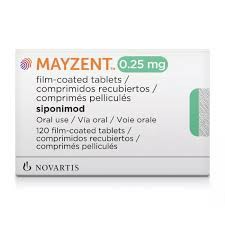
Modrol receptor is a receptor protein widely distributed on immune system cells, such as lymphocytes. These receptors play a key role in the migration and positioning of immune cells. By binding toS1P1receptors, modretinol receptors regulate the activity of immune cells, including their ability to enter lymph nodes.
Siponimod is an S1P1 receptor antagonist, meaning it binds to the S1P1 receptor and reduces the ability of immune cells, especially lymphocytes, to enter lymph nodes. The result of this mechanism of action is to reduce the circulation of immune cells, reduce their activation of the immune system, and reduce inflammation and tissue damage caused by immune responses.
Siponimod is approved to treat multiple sclerosis (MS). In multiple sclerosis, the immune system attacks the myelin sheath of nerves, causing damage to nerve signaling and triggering a range of neurological symptoms. By regulating the migration of immune cells, siponimod may reduce symptoms and slow the progression of the disease in people with multiple sclerosis.
[ 免责声明 ] 本页面内容来自公开渠道(如FDA官网、Drugs官网、原研药厂官网等),仅供持有医疗专业资质的人员用于医学药学研究参考,不构成任何治疗建议或药品推荐。所涉药品可能未在中国大陆获批上市,不适用于中国境内销售和使用。如需治疗,请咨询正规医疗机构。本站不提供药品销售或代购服务。


