
.jpeg)
The Difference Between Siponimod and Fingolimod
Siponimod and Fingolimod are both drugs used to treat multiple sclerosis (Multiple Sclerosis, MS), but they differ in some ways. Here are some of the key differences between these two medications:
1.Drug category:
Siponimod: Siponimod is an antagonistic S1P receptor modulator that modulates the function of the immune system by affecting the S1P receptor, reducing the symptoms of multiple sclerosis and slowing the progression of the disease.
Fingolimod: Fingolimod is also a S1P receptor modulator. It has a similar mechanism of action and also regulates the immune system by affecting the S1P receptor.
2.Approval date:
Siponimod: Siponimod was approved by the U.S. Food and Drug Administration (FDA) in 2019 to treat patients with certain types of multiple sclerosis.
Fingolimod: Fingolimod was approved by the FDA in 2010 and is an early S1P receptor modulator used to treat multiple sclerosis.
3.Administration method:
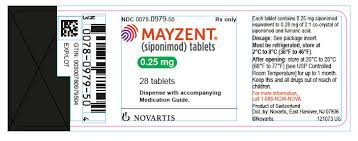
Siponimod: Siponimod is an oral medication that patients take by mouth as tablets.
Fingolimod: Fingolimod was originally an oral medication, but later an injectable form was also developed.
4.Dosage form:
Siponimod: Siponimod is usually available as an oral tablet.
Fingolimod: Fingolimod was initially available as an oral capsule, but later became available as an injection.
5.Treatment indications:
Siponimod: Siponimod is indicated primarily for the treatment of patients with multiple sclerosis who have specific disease characteristics, such as active disease and who have not benefited from other disease-modifying drugs.
Fingolimod: Fingolimod is used to treat a wide range of multiple sclerosis, including primary progressive multiple sclerosis.
5.Monitoring requirements:
Siponimod: During the use of siponimod, patients need to regularly monitor blood pressure and other physiological indicators to ensure safety.
Fingolimod: Patients taking fingolimod also require periodic monitoring and may require special monitoring procedures when first starting the drug.
6.Side effects and risks:
Both siponimod and fingolimod can cause a range of side effects, including headaches, high blood pressure, risk of infection, breathing problems, nausea and more. However, specific side effects and risks may vary in some ways, depending on the patient's condition and how the drug is used.
In summary, siponimod and fingolimod are both drugs for the treatment of multiple sclerosis. They are similar in some aspects, but also have some differences, including treatment indications, administration methods, and monitoring requirements. Patients should choose the appropriate medication based on their doctor's advice and pay close attention to any potential side effects and risks during use. Regardless of which medication is used, treatment should be done under the supervision of a doctor.
[ 免责声明 ] 本页面内容来自公开渠道(如FDA官网、Drugs官网、原研药厂官网等),仅供持有医疗专业资质的人员用于医学药学研究参考,不构成任何治疗建议或药品推荐。所涉药品可能未在中国大陆获批上市,不适用于中国境内销售和使用。如需治疗,请咨询正规医疗机构。本站不提供药品销售或代购服务。


