
.jpeg)
What is Zynlonta?
Talentuximab (Zynlonta) is a drug used to treat a rare blood cancer called "diffuse largeBcell lymphoma" (DLBCL). DLBCL is a rapidly growing type of non-Hodgkin lymphoma and one of the most common subtypes of non-Hodgkin lymphoma. Tairantuximab is a targeted therapy designed to help patients fight this malignant disease.
Here are some key information about tarentuximab:
1. Drug mechanism: Tairantuximab is an antibody drug, specifically a"CD19antibody-toxin conjugate". The way it works is by targeting the CD19antigen on the cell surface to enter DLBCL cells and then releasing a toxin that kills these cancer cells. This precisely targeted therapy helps reduce damage to healthy cells.
2. Indications: Tairantuximab is approved for the treatment of patients with DLBCL who have received at least two other treatment regimens but still have no response or have disease recurrence. It is often considered a last resort treatment option for patients whose disease has progressed severely.
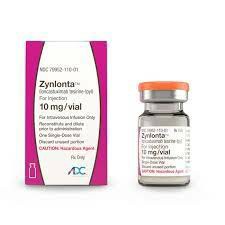
3. Clinical Trials and Approval: The approval of tarentuximab was based on the results of clinical trials that showed that the drug had a therapeutic effect in some DLBCL patients. The U.S. FDA approved the marketing of tarantuximab in April 2021, which marks that it has become an option for doctors to treat DLBCL.
4. Side effects: Tairantuximab may cause a series of side effects, including fever, nausea, vomiting, fatigue, anemia, increased risk of infection, etc. Due to its unique mechanism, tarantuximab may also cause symptoms related to the release of toxins, such as hemolytic anemia when cells rupture.
5. Clinical Application: Tairantuximab is usually administered and monitored by specialized oncologists in hospitals or cancer clinics. Treatment plans will be developed based on the patient's specific circumstances and may include multiple courses of treatment and periodic follow-up visits.
The approval of tarantuximab provides a new treatment option for DLBCL patients, especially those who have received multiple treatments but still have no improvement in their condition. However, patients and doctors should work closely together to weigh the potential benefits and risks of treatment and ensure that the treatment option that best suits the patient's condition is selected.
[ 免责声明 ] 本页面内容来自公开渠道(如FDA官网、Drugs官网、原研药厂官网等),仅供持有医疗专业资质的人员用于医学药学研究参考,不构成任何治疗建议或药品推荐。所涉药品可能未在中国大陆获批上市,不适用于中国境内销售和使用。如需治疗,请咨询正规医疗机构。本站不提供药品销售或代购服务。


