
.jpeg)
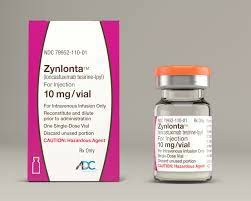
Chinese instructions for Zynlonta
1. Indications:
Talentuximab (Zynlonta) is indicated for the treatment of patients with diffuse largeB cell lymphoma (DLBCL), especially those whose disease has not improved or has relapsed after receiving at least two other treatments.
2. Mechanism of action:
Tarantuximab is an antibody-toxin conjugate whose mechanism of action is based on the following steps:
1.TargetingCD19antigen: Tairantuximab binds to the CD19antigen on the surface of DLBCL cells.
2.Intracellular entry: Once bound toCD19, tarentuximab will be taken up by cells and introduced into the cells.
3.Release toxins: Once inside the cells, tarentuximab releases toxins, leading to the death ofDLBCL cells.
This mechanism of action helps target cancer cells while reducing damage to healthy cells.
3. Pharmacology:
The pharmacological characteristics of tarantuximab include:
1.Pharmacokinetic properties such as absorption, distribution, metabolism and excretion of drugs.
2.The high affinity for CD19antigen enables it to bind tightly to the surface of DLBCL cells.
3.Toxin release causesDLBCLapoptosis (cell death).
4. Dosage and usage:
The usage of tarentuximab is usually determined by a medical professional based on the patient's condition, including the severity of the condition, age, physical condition, etc. Treatment dosage and schedule will vary based on patient needs.
5. Side effects:
Tarantuximab may cause side effects including but not limited to: fever, nausea, vomiting, fatigue, anemia, increased risk of infection, etc. The severity of these side effects will vary on an individual basis, and patients need to be treated under the supervision of a physician so that any discomfort can be addressed and managed promptly.
6. Warnings and precautions:
The following aspects need to be noted when using tarantuximab:
1.Medical supervision: Patients should receive treatment under the supervision of a doctor, who will monitor treatment effects and side effects.
2.Toxin release: Toxin release may lead to serious reactions such as hemolytic anemia, so close monitoring is required.
3.Risk of infection: Because treatment may reduce immune system function, patients need to pay attention to measures to prevent infection.
4.Contraindications for pregnant women: Tairantuximab may cause danger to the fetus and should not be used by pregnant women.
7. Contraindications:
Contraindications may include:
1.Patients who are allergic to drug ingredients.
2.Pregnant women or women planning to become pregnant.
8. Drug interactions:
Detailed information about interactions between tarantuximab and other drugs is not available at this time. However, patients should tell their doctors about any medications they are taking, including prescription drugs, over-the-counter drugs, and supplements.
9. Medication for special groups:
1.Children and Adolescents: Safety and effectiveness for use in children and adolescent patients have not been established and therefore requires careful consideration.
2.Elderly patients: Use in elderly patients needs to be carefully evaluated based on individual circumstances.
In summary, tarantuximab is an important drug for the treatment of DLBCL, but its use should be done under the supervision of a doctor and follow an individualized treatment plan. Patients and doctors should work together to decide on the most appropriate treatment options and pay close attention to the effectiveness and potential side effects of treatment. Please consult a medical professional or check the official drug package insert for the most accurate and up-to-date information.
[ 免责声明 ] 本页面内容来自公开渠道(如FDA官网、Drugs官网、原研药厂官网等),仅供持有医疗专业资质的人员用于医学药学研究参考,不构成任何治疗建议或药品推荐。所涉药品可能未在中国大陆获批上市,不适用于中国境内销售和使用。如需治疗,请咨询正规医疗机构。本站不提供药品销售或代购服务。


