
.jpeg)
How effective is Zynlonta?
Talentuximab (Zynlonta) is a new drug for the treatment of diffuse largeB cell lymphoma (DLBCL). Its therapeutic effect has been evaluated and studied in clinical trials. The following is a comprehensive analysis of the efficacy of tarantuximab treatment, including clinical trial data and related information.
1. Clinical trial background:
The efficacy study of tarantuximab is mainly based on multiple clinical trials, including"ADC (antibody drug complex) trial" and "ROSEtrial". These trials are designed to evaluate the efficacy of tarantuximab in patients with DLBCL, particularly those who have received multiple rounds of treatment without improvement or recurrence of the disease.
2. Clinical trial results:
In clinical trials, tarantuximab has shown some therapeutic potential, especially in patients with complex and difficult-to-treat DLBCL. Here are some of the key clinical trial results related to tarantuximab treatment:
a. ADCTrial: An important clinical trial is the ADCtrial, which enrolled DLBCL patients who had not improved or relapsed after multiple prior treatments. Preliminary results from the ADC trial suggest that tarantuximab produced encouraging efficacy in some patients.
Study data showed that tarentuximab triggered partial responses, in which the size of the tumors decreased or the disease was controlled, in some patients. This is a positive sign for patients who have not responded to previous treatments.
It is important to note that treatment effects vary between patients, so tarantuximab may be more effective in some patients and less effective in others.
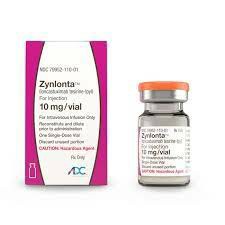
b. ROSETrial: Another important clinical trial is the ROSE trial, which focused on the efficacy of tarentuximab in patients with relapsed or refractory DLBCL.
Preliminary results from the ROSE trial suggest that tarentuximab triggered complete responses, in which tumors disappeared or could no longer be detected, in some patients. This is a positive treatment response for DLBCL patients.
Like the ADC trial, the ROSE trial also highlighted the variability in treatment effects and that different patients may respond differently to tarantuximab.
3. Clinical applications and prospects:
Although efficacy studies of tarantuximab are ongoing and subject to inter-patient variability, it provides a new treatment option for DLBCLpatients, especially those for whom prior treatment options have been ineffective or intolerable. Unlike traditional chemotherapy and radiation therapy, tarantuximab is an antibody drug that acts on tumor cells in a targeted manner, thereby reducing damage to healthy tissue.
It should be noted that although the preliminary clinical trial results are encouraging, the long-term efficacy and safety of tarantuximab still require more research and follow-up to confirm. Additionally, more research is needed to determine which patients are best suited for this treatment and how it should be used in conjunction with other treatment modalities.
Tarantuximab has shown some efficacy in the treatment ofDLBCL, especially in patients who have received multiple rounds of treatment without improvement or recurrence of the disease. However, treatment effects vary between patients, so treatment decisions should be based on the patient's individual circumstances and condition. With further research and follow-up, we can more fully understand the long-term effects and potential side effects of tarantuximab in the treatment of DLBCL. Patients should receive treatment under the supervision of a physician and work closely together to ensure the best possible outcome.
[ 免责声明 ] 本页面内容来自公开渠道(如FDA官网、Drugs官网、原研药厂官网等),仅供持有医疗专业资质的人员用于医学药学研究参考,不构成任何治疗建议或药品推荐。所涉药品可能未在中国大陆获批上市,不适用于中国境内销售和使用。如需治疗,请咨询正规医疗机构。本站不提供药品销售或代购服务。


