
.jpeg)
What is the difference between Larotrectinib and Sorafenib? Which one is better?
Larotrectinib and sorafenib (Sorafenib) are two different types of drugs. They are used to treat different types of cancer, and there are significant differences in indications, mechanisms of action, treatment strategies, and side effects. Which drug is better depends on the patient's specific situation and the type of cancer they have. The characteristics of these two drugs will be compared in detail below.
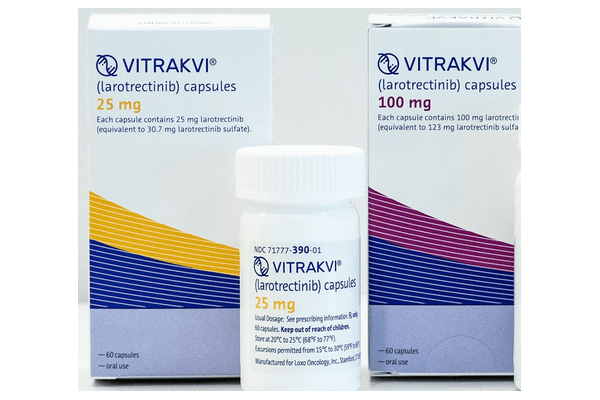
Larotrectinib (Larotrectinib):
1. Indications: Larotrectinib is mainly used to treat TRK (neuronal growth factor receptor) gene fusion-positive tumors. This gene fusion can appear in a variety of cancer types, including but not limited to childhood tumors, adult lung cancer, breast cancer, kidney cancer, colorectal cancer, thyroid cancer, etc. It is a personalized treatment drug that is only effective for patients who meet the indications.
2. Mechanism of action: Larotinib is a targeted therapy drug whose main mechanism of action is to inhibit the activity ofTRK protein. TRKGene fusion is a cancer-related genetic abnormality that can lead to abnormal proliferation and growth of tumor cells. Larotrectinib blocks tumor growth by inhibiting this abnormal signaling.
3. Treatment strategy: Larotrectinib is usually used in the form of oral medication, and the dosage and usage will vary according to the doctor's recommendations and the patient's specific conditions. Patients need to undergo testing for TRK gene fusion to determine whether they meet the indications.
4. Side effects: Larotrectinib is usually associated with fewer toxic side effects because its mechanism of action is relatively specific. However, some patients may experience general side effects such as nausea, vomiting, and fatigue.
Sorafenib (Sorafenib):
1. Indications: Sorafenib is mainly used to treat some malignant tumors, especially renal cell carcinoma, hepatocellular carcinoma and thyroid cancer. It is a multi-target inhibitor that can interfere with the growth and blood supply of various cancer cells.
2. Mechanism of action: The mechanism of action of sorafenib involves inhibiting multiple signaling pathways, including the Raf/MEK/ERK signaling pathway and the VEGF (vascular endothelial growth factor) receptor. By inhibiting these signaling pathways, sorafenib can slow tumor cell growth and angiogenesis, thereby controlling cancer development.
3. Treatment strategy: Sorafenib is usually taken as an oral drug, and its dosage and usage are determined by doctors based on the patient's specific condition and cancer type. It is often used to treat advanced cancer and can help patients live longer and control their disease.
4. Side effects: Sorafenib may be associated with a series of side effects, including hand-foot syndrome (redness, pain, peeling of hands and feet), nausea, vomiting, diarrhea, skin itching, high blood pressure, etc. Due to its multi-target inhibitory properties, sorafenib may cause additional side effects, so patients require close monitoring and management.
哪一个更好?
Which drug is better depends on the patient's specific situation and the type of cancer he or she has:
1.For patients with TRK gene fusion-positive tumors, larotrectinib is an innovative, personalized treatment option that may have fewer toxic side effects.
2.If a patient has cancer such as renal cell carcinoma, hepatocellular carcinoma, or thyroid cancer, sorafenib may be a routine treatment option, especially for patients with advanced cancer, where it has been widely studied and used.
Importantly, treatment decisions should be made jointly by the doctor and the patient, taking into account the patient's tumor type, disease severity, genetic factors, and other health conditions. Sometimes, the two drugs are also combined at different stages of treatment to provide a more comprehensive treatment effect. Ultimately, treatment plans should be personalized to the patient's specific circumstances.
Larotrectinib has been launched in China, but it has not been included in medical insurance. Since it has not been launched in China for a long time, it may be difficult to purchase it in China. Please consult the local hospital pharmacy for details. There are original drugs and generic drugs of larotrectinib abroad. The original drugs include German version, American version, European version and Hong Kong version. The price is basically around 20,000 yuan. Generic drugs include Lao and Bangladeshi versions, with prices ranging from two to three thousand. The ingredients of original drugs and generic drugs are basically the same.
[ 免责声明 ] 本页面内容来自公开渠道(如FDA官网、Drugs官网、原研药厂官网等),仅供持有医疗专业资质的人员用于医学药学研究参考,不构成任何治疗建议或药品推荐。所涉药品可能未在中国大陆获批上市,不适用于中国境内销售和使用。如需治疗,请咨询正规医疗机构。本站不提供药品销售或代购服务。


