
.jpeg)
Efficacy and effects of Lorlatinib
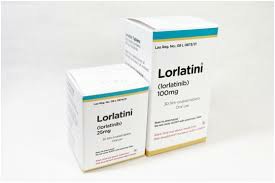
Lorlatinib (Lorlatinib) is an important anti-cancer drug. It is mainly used to treat a specific subtype of non-small cell lung cancer (NSCLC), that is, patients with positive ALK (tyrosine kinase) mutations. The following is a detailed explanation of the efficacy and role of lorlatinib:
1. TargetingALK fusion protein: The core function of lorlatinib is to target the ALK fusion protein, which is caused by the ALK gene mutation. In ALKpositive NSCLC, ALK fusion protein promotes abnormal proliferation and spread of cancer cells. Lorlatinib effectively controls the growth of lung cancer by inhibiting the activity of ALK protein and interfering with abnormal signaling in cancer cells. This mechanism of action makes lorlatinib a powerful tool for the treatment of ALK-positive NSCLC.
2. Control tumor growth: The targeting effect of lorlatinib is not limited to ALK, it can also interfere with the ROS1 fusion gene, which is also common in some NSCLC patients. Therefore, lorlatinib can target both ALK and ROS1 at the same time, preventing the growth and spread of tumor cells caused by mutations in these two genes. This multi-targeting nature makes lorlatinib potentially effective in a broad range of patient populations.
3. Overcoming drug resistance: Compared with some earlyALK inhibitors, lorlatinib has shown efficacy against some drug-resistant mutations. This means that even if patients develop resistance to other ALK inhibitors during earlier treatment, they may still benefit from treatment with lorlatinib. This is because lorlatinib takes into account multiple ALK mutations in its design and is able to cope with the emergence of some drug-resistant mutations.
4. Significant clinical efficacy: Clinical studies have shown that lorlatinib has achieved significant efficacy in ALKpositiveNSCLC patients. Patients often achieve long progression-free survival and have their cancer stabilized or in remission. This is encouraging news for patients as they can expect longer survival and a better quality of life.
5. Possible side effects: Although lorlatinib is a targeted drug, it may still be associated with some side effects, including fatigue, shortness of breath, nausea, vomiting, headache, high blood pressure, etc. These side effects require close monitoring during treatment and management with your doctor.
6. Bringing new treatment hope: The launch of lorlatinib marks a major progress in the field of lung cancer treatment. For ALK and ROS1-positive NSCLC patients, it provides a targeted treatment option that can significantly improve their chances of survival and quality of life. Additionally, lorlatinib offers new hope for patients who have developed resistance to other treatments.
To sum up, lorlatinib is an important drug in the field of targeted therapy. It effectively controls ALK and ROS1 fusion genes by targeting them. Tumor growth in patients with pan>ALKpositive and ROS1positiveNSCLC. Its efficacy and multi-targeting properties make it a key part of the treatment of non-small cell lung cancer, bringing new treatment hope to patients. However, patients need to monitor closely and follow their doctor's recommendations while using lorlatinib to ensure optimal treatment efficacy and safety.
Lorlatinib has been launched in China and is included in medical insurance. Patients can purchase it domestically, but the price is relatively high, about 10,000 to 20,000 yuan. For details, please consult the local hospital pharmacy. There are original drugs and cheaper generic drugs abroad. The cheaper ones are the original drugs from Turkey, which cost more than 1,000 yuan, and the original drugs from Hong Kong, China, which cost about 30,000 yuan. Generic drugs are mainly generic drugs from Laos and Bangladesh. The price is about several thousand yuan, and the ingredients of the original drugs and generic drugs are basically the same.
[ 免责声明 ] 本页面内容来自公开渠道(如FDA官网、Drugs官网、原研药厂官网等),仅供持有医疗专业资质的人员用于医学药学研究参考,不构成任何治疗建议或药品推荐。所涉药品可能未在中国大陆获批上市,不适用于中国境内销售和使用。如需治疗,请咨询正规医疗机构。本站不提供药品销售或代购服务。


