
.jpeg)
Lurbinectedin Side Effects
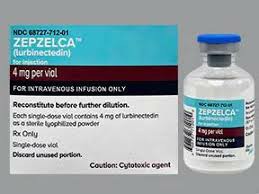
Lurbinectedin is a drug used to treat certain types of cancer, but it can come with a range of side effects. These side effects need to be monitored and managed during treatment to ensure patient health and safety. Here is more information about the possible side effects of rubicatin:
1. Most common side effects: These side effects usually occur within the first few days after starting treatment and are usually mild to moderate. The most common side effects include:
Nausea and Vomiting: Patients may experience nausea and vomiting, which may require anti-nausea medications to reduce symptoms.
Fatigue: Feelings of fatigue are common and patients may need to rest and manage activities appropriately.
Loss of Appetite: Some patients may experience a loss of appetite, resulting in reduced food intake.
Headache: Some patients may experience headache.
2. Blood side effects: Rubicatin may have effects on the blood, including:
Leukopenia: Rubicatin may cause a decrease in white blood cell counts, which may increase the risk of infection. Doctors typically check patients' blood counts regularly and take action as needed.
Thrombocytopenia: Rubicatin may also cause a drop in platelet counts, increasing the risk of bleeding and congestion.
Anemia: Some patients may develop anemia, which may cause fatigue and shortness of breath.
3. Liver function: Rubicatin may have effects on liver function, including:
Elevated liver enzymes: Some patients may develop liver enzymes such as AST and ALT), which may require monitoring and management.
4. Heart problems: Rubicatin may have effects on the heart, including:
Electrocardiogram changes: During treatment, some patients may develop electrocardiogram (ECG) changes that require monitoring.
Heart arrhythmias: Although rarer, rubicartine may cause arrhythmias. Patients may need electrocardiogram monitoring.
5. Other side effects: Rubicatin may also be associated with other less common but important side effects, including:
Allergic Reaction: Some patients may have an allergic reaction to rubicatin, which may manifest as skin itching, hives, shortness of breath and other symptoms.
Pulmonary Toxicity: Rubicatin may cause pulmonary toxicity manifested by lung inflammation and shortness of breath.
Kidney function: Rubicatin may sometimes affect kidney function.
Nervous system: Some patients may experience dizziness, headache, insomnia and other neurological-related symptoms.
It is important to emphasize that the side effects of rubicatine vary between individuals and with dosage, and some side effects may be more common than others. Patients should discuss possible side effects and risks in depth with their doctor before receiving treatment and receive regular medical monitoring to ensure safety. Side effects during treatment should be reported to the doctor in a timely manner so that appropriate measures can be taken to manage and alleviate the side effects to ensure the patient's treatment effect and quality of life.
Rubicardin has not yet been launched in China, so it is not included in medical insurance. Patients cannot purchase it domestically and need to purchase Rubicatin through overseas channels. There is only the original drug Rubicatin in foreign countries, and the price is relatively expensive. In comparison, the original drug in Singapore is slightly cheaper, priced at more than 30,000, and there are other American versions of the original drug, priced at more than 90,000.
[ 免责声明 ] 本页面内容来自公开渠道(如FDA官网、Drugs官网、原研药厂官网等),仅供持有医疗专业资质的人员用于医学药学研究参考,不构成任何治疗建议或药品推荐。所涉药品可能未在中国大陆获批上市,不适用于中国境内销售和使用。如需治疗,请咨询正规医疗机构。本站不提供药品销售或代购服务。


