
.jpeg)
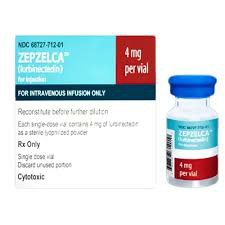
Chinese instructions for Lurbinectedin
1. Indications:
Rubicatine is a drug used to treat certain types of cancer. Its main indications include:
Recurrent small cell lung cancer (SCLC): Rubicatin is approved to treat recurrent small cell lung cancer, particularly in patients who have relapsed after at least one line of chemotherapy.
Recurrent synovial sarcoma (Myxoid/round cell liposarcoma): Rubicatin is also approved for the treatment of recurrent synovial sarcoma.
2. Mechanism of action:
The mechanism of action of rubicatin involves the inhibition ofDNAtopoisomeraseIIα. It interferes with the DNA repair and replication of cancer cells by affecting the topological structure of DNA, thereby preventing the proliferation and survival of cancer cells. This makes rubicatin a targeted therapy particularly suitable for cancer types that are less responsive to traditional treatments.
3. Pharmacology:
Rubicatine undergoes a series of pharmacokinetic processes in the body, including absorption, distribution, metabolism and excretion. It is usually given to patients via intravenous injection to quickly achieve therapeutic concentrations. The metabolism and excretion pathways of the drug in the body are under further study.
4. Dosage and usage:
The dosage and administration of rubicatin is usually based on the patient's specific condition and type of cancer. Treatment plans should be developed by a medical professional and need to take place in a medical facility or hospital. Patients usually receive regular injections of medication, with treatment cycles and dosages adjusted as needed.
5. Side effects:
Rubicardin treatment may be associated with a series of side effects, including but not limited to: nausea and vomiting, fatigue, loss of appetite, thrombocytopenia, leukopenia, anemia, abnormal liver function, heart problems, allergic reaction, pulmonary toxicity, nervous system symptoms, etc. Patients will need regular medical monitoring during treatment to assess efficacy and monitor side effects. Any side effects should be promptly reported to your doctor so that appropriate steps can be taken to manage and relieve discomfort.
6. Warnings and Precautions:
Rubicardin treatment requires close monitoring of the patient's health. Some important warnings and considerations include:
Heart Monitoring: Because of the potential for heart problems, patients may need regular EKG monitoring.
Blood monitoring: Due to the impact on blood elements such as white blood cells and platelets, patients need regular blood monitoring.
Liver function monitoring: Abnormal liver function may occur, necessitating monitoring of liver enzyme levels.
Allergic Reactions: Patients need to be aware of possible allergic reactions such as itchy skin, hives, or shortness of breath.
7. Contraindications:
Rubicardin may be contraindicated in certain circumstances, including severe allergic reactions to ingredients in the drug and other specific medical conditions. Doctors will evaluate whether the drug is suitable for use based on the patient's specific situation.
8. Drug interactions:
Rubicardin may interact with other drugs, so patients need to tell their doctor about all medications they are taking, including prescription drugs, over-the-counter drugs, and supplements.
9. Drugs for special groups:
The safety of rubicartine in pregnant women, breastfeeding women, and children has not been fully established. When considering treatment, patients should inform their doctor whether they are pregnant, breastfeeding, or age appropriate for the use of this drug.
10.Launch and price situation:
Rubicardin has not yet been launched in China, so it is not included in medical insurance. Patients cannot purchase it domestically and need to purchase Rubicatin through overseas channels. There is only the original drug Rubicatin in foreign countries, and the price is relatively expensive. In comparison, the original drug in Singapore is slightly cheaper, priced at more than 30,000, and there are other American versions of the original drug, priced at more than 90,000.
In summary, rubicatin is a drug used to treat recurrent small cell lung cancer and recurrent synovial sarcoma, and its mechanism of action involves the inhibition ofDNAtopoisomeraseIIα. Patients should discuss treatment options, expected results, and possible risks and side effects in depth with their doctor before receiving treatment so that they can make informed treatment decisions. Regular medical monitoring is required during treatment to ensure patient health and safety.
[ 免责声明 ] 本页面内容来自公开渠道(如FDA官网、Drugs官网、原研药厂官网等),仅供持有医疗专业资质的人员用于医学药学研究参考,不构成任何治疗建议或药品推荐。所涉药品可能未在中国大陆获批上市,不适用于中国境内销售和使用。如需治疗,请咨询正规医疗机构。本站不提供药品销售或代购服务。


