
.jpeg)
Mosunetuzumab Efficacy and Side Effects
Mosunetuzumab is an immunotherapy drug used to treat certain types of malignancies, mainly diffuse large B cell lymphoma (DLBCL). Its efficacy and side effects are important considerations. Here are the main benefits and possible side effects of motuzumab:
Efficacy (Efficacy):
1.Treatment of diffuse largeB cell lymphoma (DLBCL): The main indication of motuzumab is the treatment of relapsed or refractory DLBCL. It helps the body fight DLBCL's malignant B cells more effectively by activating the patient's immune system. Motuzumab is administered intravenously and is usually given over a certain period of time.
2.Immune system activation: Motuzumab has a bispecific antibody structure and can target T cells and B cells at the same time, thereby activating T cells and guiding them to attack malignant B cells. This helps strengthen the immune system and improves its ability to fight DLBCL.
3.Immune memory: The use of motuzumab may help T cells form immune memory, so that the immune system can better recognize and fight against the recurrence of DLBCL.
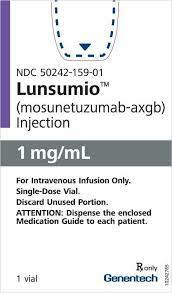
Side Effects:
The use of motuzumab may be accompanied by some side effects. The specific side effects may vary depending on individual differences. The following are some common side effects that may occur:
1.Allergic reactions: Like many drugs, motuzumab may cause allergic reactions during use, including skin itching, urticaria, shortness of breath, etc. Severe allergic reactions may require emergency treatment.
2.Fever and chills: Patients may develop fever and chills after taking motuzumab. This is a common drug side effect that usually occurs within a few hours of administration, but is usually managed during treatment.
3.Nausea and vomiting: Some patients may experience nausea and vomiting during treatment, which are common symptoms that need to be monitored and managed.
4.Fatigue: Fatigue may occur during treatment, affecting the patient's daily life activities.
5.Low blood cell counts: Motuzumab may cause a decrease in white blood cell, red blood cell, and platelet counts, increasing the risk of infection, anemia, and bleeding. Doctors typically monitor patients' blood counts and take steps to manage these problems if necessary.
6.Others: Other possible side effects include headache, muscle pain, joint pain, diarrhea, respiratory infections, etc. The occurrence and severity of these side effects vary from individual to individual.
It should be emphasized that the degree and occurrence of side effects are related to individual differences and treatment plan. Doctors will evaluate and manage side effects on a patient-specific basis and may take steps to reduce uncomfortable symptoms. Patients should communicate with their doctors regularly during treatment and report any discomfort to ensure optimal treatment effectiveness and safety.
[ 免责声明 ] 本页面内容来自公开渠道(如FDA官网、Drugs官网、原研药厂官网等),仅供持有医疗专业资质的人员用于医学药学研究参考,不构成任何治疗建议或药品推荐。所涉药品可能未在中国大陆获批上市,不适用于中国境内销售和使用。如需治疗,请咨询正规医疗机构。本站不提供药品销售或代购服务。


