
.jpeg)
Mogamulizumab side effects
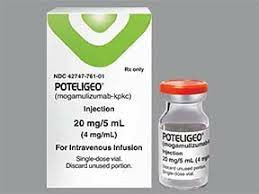
Mogamulizumab (Mogamulizumab) is a drug used to treat certain types of lymphoma. Although it has significant efficacy in treating lymphoma, it may also be accompanied by a series of side effects. Common and serious side effects of moglizumab are detailed below so that patients and physicians can better understand and manage these adverse reactions.
Common side effects:
1.Skin reaction: This is one of the most common side effects of moglizumab. Patients may experience skin symptoms such as rash, itching, dryness, and peeling. These symptoms are usually mild, but may sometimes require intervention and treatment from a doctor. Keeping your skin clean and moisturized and avoiding stimulant skin care products can help reduce these symptoms.
2.Infection: Moglizumab may increase the risk of infection, including bacterial, viral, and fungal infections. Patients should avoid close contact with known infected people, maintain personal hygiene, treat any symptoms of infection promptly, and follow their doctor's advice.
3.Nausea and Vomiting: Some patients may experience mild nausea and vomiting during treatment. These symptoms are usually temporary and can be relieved with dietary modifications and anti-nausea medications. Always tell your doctor if nausea and vomiting are severe or persist.
4.Fatigue: Fatigue is another common side effect that may cause patients to feel weak and tired. During treatment, patients should rest adequately, avoid overexertion, and eat a balanced diet to maintain physical strength.
5.Hematology disorders: Moglizumab may have effects on blood cells, including thrombocytopenia and leukopenia. This may lead to increased risk of bleeding and infection. Doctors regularly monitor patients' blood cell counts and take appropriate measures, such as blood transfusions or medications, if needed.
Serious side effects:
In addition to the common side effects mentioned above, moglizumab may also cause some serious adverse reactions. Although the incidence is low, high vigilance is required:
1.Allergic reactions: Some patients may have allergic reactions to moglizumab, manifesting as hives, shortness of breath, throat swelling and other symptoms. If an allergic reaction occurs, stop taking the medication and seek medical advice immediately.
2.Abnormal liver function: Individual patients may experience abnormal liver function, manifesting as jaundice, elevated liver enzymes and other symptoms. Doctors will monitor liver function regularly and take steps to manage these abnormalities if necessary.
3.Gastrointestinal bleeding: In rare cases, moglizumab may cause gastrointestinal bleeding. Patients should closely monitor any gastrointestinal symptoms, such as melena, vomiting blood, etc., and seek medical attention promptly.
4.Pneumonia: Moglizumab may also increase the risk of pneumonia. Patients should pay attention to symptoms of respiratory infection, such as cough, shortness of breath and fever, and seek medical attention promptly.
During treatment with moglizumab, patients should maintain close contact with their physicians and undergo regular clinical evaluation and monitoring. Doctors will tailor the treatment plan to the patient's specific circumstances and provide necessary support and management advice to minimize the impact of side effects on the patient. Patients should follow the doctor's advice during medication and actively report any discomfort for timely intervention and management. Most importantly, the potential benefits of moglizumab generally outweigh the potential risks, but side effects require careful monitoring and management during treatment to ensure optimal patient efficacy and safety.
[ 免责声明 ] 本页面内容来自公开渠道(如FDA官网、Drugs官网、原研药厂官网等),仅供持有医疗专业资质的人员用于医学药学研究参考,不构成任何治疗建议或药品推荐。所涉药品可能未在中国大陆获批上市,不适用于中国境内销售和使用。如需治疗,请咨询正规医疗机构。本站不提供药品销售或代购服务。


