
.jpeg)
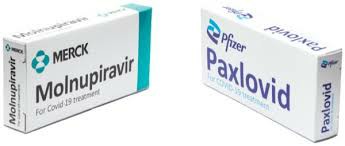
Comparing molnupiravir capsules with Pfizer’s Paxlovid
Monoravir capsules (Molnupiravir) and Pfizer's Paxlovid (Paxlovid) are new drugs used to treat COVID-19, but they have different mechanisms of action, pharmacological characteristics and clinical applications. In the following article, we will compare these two drugs in detail.
1. Mechanism of action
1.1 Monoravir Capsules
The mechanism of action of monogravir capsules is to interfere with the viralRNA replication by simulating nucleoside analogues. It prevents the virus from replicating within host cells, thereby reducing viral load and mitigating the symptoms and spread of COVID-19.
1.2 Pfizer Paclovir
Paclovib’s mechanism of action is a protease inhibitor that can interfere with the protease activity of the virus and prevent the virus from replicating in host cells. It specifically targets the activity of viral proteases, thereby blocking the growth and spread of the virus.
2. Pharmacology
2.1 Monoravir Capsules
Monoravir capsules are absorbed when taken orally and then metabolized into active metabolites that inhibit viral replication by inhibiting viralRNApolymerase. It is particularly effective in early stages of infection, reducing the spread of the virus.
2.2 Pfizer Paclovir
Pfizer Paclovir is also an oral formulation that is absorbed and produces effective concentrations of the drug in the body. It inhibits viral replication by inhibiting viral protease activity. This mechanism helps reduce the number of viruses and reduce the severity of the disease.
3. Clinical Application
3.1 Monoravir Capsules
Monoravir capsules are indicated for the treatment of adult patients with confirmed infectionCOVID-19, particularly in the early stages of infection. Its usage is to take it orally daily for 5 days. Monolavir capsules are expected to reduce the risk of hospitalization and death while mitigating symptoms.
3.2 Pfizer Paclovir
Pfizer Paclovir is also used to treat adult patients with confirmed COVID-19 infection. It is administered orally daily for 5 days. Pfizer's paklovib is also expected to reduce the risk of hospitalization and death while mitigating symptoms.
4. Safety and Side Effects
4.1 Monoravir Capsules
Side effects of monogravir capsules include nausea, vomiting, diarrhea, headache, fatigue, abnormal liver function, heart-related problems and allergic reactions. Most side effects are short-term but require close monitoring.
4.2 Pfizer Paclovir
Pacclovir side effects include nausea, vomiting, diarrhea, headache, fatigue and elevated liver enzymes. Similar to monogravir capsules, most side effects are short-term but require close monitoring.
Monoravir capsules and Pfizer's Paclovir are both new drugs used to treatCOVID-19, but they have different mechanisms of action and pharmacological characteristics. They are all expected to reduce the risk of hospitalization and death while relieving symptoms, but specific treatment regimens and dosages will vary based on doctor's recommendations and the patient's condition. It should be emphasized that any COVID-19 treatment drugs should be used under the supervision of a doctor and in accordance with the doctor's prescription. In addition, the safety and effectiveness of both drugs are still being continuously studied and evaluated, so it is important to stay up to date with the latest medical guidelines and clinical trial results.
Monolavir capsules are already on the market in China, but they are not yet included in medical insurance. Please consult your local hospital pharmacy for specific prices. The cheaper ones abroad are Indian generic drugs, which cost around three to four hundred yuan, and the ingredients of domestic original drugs and foreign generic drugs are basically the same.
[ 免责声明 ] 本页面内容来自公开渠道(如FDA官网、Drugs官网、原研药厂官网等),仅供持有医疗专业资质的人员用于医学药学研究参考,不构成任何治疗建议或药品推荐。所涉药品可能未在中国大陆获批上市,不适用于中国境内销售和使用。如需治疗,请咨询正规医疗机构。本站不提供药品销售或代购服务。


