
.jpeg)
What is the anti-tumor effect of Melphalan/Melphalan?
Melphalan/Melphalan (Melphalan) is a chemotherapy drug widely used in the treatment of leukemia and leukemia-related diseases. Its anti-tumor effect has been verified in multiple studies. The following will introduce in detail the anti-tumor effect of melphalan/melphalan and its application in the treatment of different types of leukemia and other diseases.
1. Purpose and working principle:
Melphalan/Melphalan is a cytotoxic drug that belongs to the nitrogen mustard class of drugs. Its mechanism of action involves interfering with DNA synthesis and cell division, thereby preventing the growth and spread of cancer cells. It mainly covalently binds to the amino groups in the DNA molecule, triggering DNA cross-linking, leading to DNA chain breaks and apoptosis (programmed cell death). These effects make it an effective tool in the treatment of some malignancies.
2. Anti-tumor effect in multiple myeloma:
Melphalan/Melphalan is widely used in the treatment of multiple myeloma (Multiple Myeloma). Multiple myeloma is a bone marrow malignancy that primarily affects plasma cells, causing abnormal protein production. Melphalan/Melphalan Helps control and reduce the symptoms of multiple myeloma by inhibiting the growth and spread of plasma cells and reducing the production of abnormal proteins. It may also be used to prevent the retention of tumor cells before bone marrow transplantation.
3. Anti-tumor effect for lymphoma:
Melphalan/Melphalan is also used to treat certain lymphomas, including Hodgkin's lymphoma (Hodgkin's lymphoma) and non-Hodgkin's lymphoma (Non-Hodgkin's lymphoma). It reduces the number of lymphoma cells by destroying their DNA. Melphalan/Melphalancan be combined with other chemotherapy drugs to enhance the effectiveness of treatment.
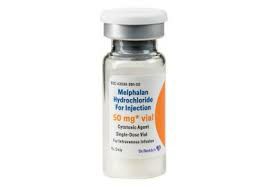
4. Anti-tumor effect in myelodysplastic syndrome:
Melphalan/Melphalan is also used to treat some myelodysplastic syndromes (Melodysplastic Syndromes, MDS), which are a group of bone marrow diseases that affect the normal development of hematopoietic cells. Melphalan/Melphalan’s mechanism of action helps control abnormal hematopoietic processes and reduce anemia and other symptoms associated with MDS.
5. Anti-tumor effect for other leukemia-related diseases:
Melphalan/Melphalan is also used to treat thrombocythemia (Polycythemia Vera), a bone marrow disease that causes an abnormal increase in the number of platelets. By interfering with the hematopoietic process, Melphalan/melphalan can lower platelet counts and relieve symptoms.
6. Restrictions and adverse reactions:
Although melphalan/melphalan has achieved remarkable success in treating leukemia and related diseases, it also comes with several limitations and adverse effects. These may include nausea, vomiting, hair loss, immune system suppression, anemia, increased risk of infection, and other drug-related discomforts. Therefore, the use of melphalan/melphalan needs to be closely monitored by a doctor to ensure the effectiveness of the treatment and minimize adverse reactions.
7. Anti-leukemia drug combination therapy:
In many cases, Melphalan/Melphalan is not used as a single drug but is used in combination with other chemotherapy drugs to increase efficacy. Doctors will develop the best treatment plan based on the patient's specific situation and type of disease.
In summary, Melphalan/Melphalan is a powerful chemotherapy drug that has significant anti-tumor effects on leukemia-related diseases such as multiple myeloma, lymphoma, myelodysplastic syndrome and thrombocythemia. However, it also comes with adverse reactions and limitations, so it should be used under the supervision of a professional doctor to ensure safety and optimal treatment results. Treatment plans should be individualized based on the patient's specific condition and type of disease.
Melphalan/Melphalan’s oral medicines and injections have been launched in China. The oral medicines have been included in the medical insurance, but the injections have not yet been included in the medical insurance. For specific prices and reimbursement, please consult the local hospital pharmacy and the local medical insurance bureau. Foreign original drugs include European original drugs and Turkish original drugs. European original drugs cost about more than a thousand yuan, and Turkish original drugs cost about a few hundred yuan. In addition, there are Indian generic drugs, the price of which is also around a few hundred yuan. The ingredients of original drugs and generic drugs are basically the same.
[ 免责声明 ] 本页面内容来自公开渠道(如FDA官网、Drugs官网、原研药厂官网等),仅供持有医疗专业资质的人员用于医学药学研究参考,不构成任何治疗建议或药品推荐。所涉药品可能未在中国大陆获批上市,不适用于中国境内销售和使用。如需治疗,请咨询正规医疗机构。本站不提供药品销售或代购服务。


