
.jpeg)
The role and efficacy of Mitotane
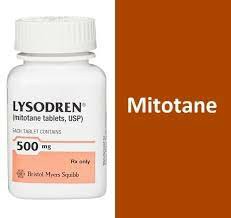
Mitotane (Mitotane) is a drug used to treat rare diseases such as pheochromocytoma (pheochromocytoma) and chromaffin cell ganglioma (paraganglioma). Its mechanism of action and efficacy mainly involve its impact on adrenocortical function and the regulation of dopamine, norepinephrine and epinephrine. Below is a detailed explanation of mitotane’s mechanism of action and efficacy:
Mechanism of action:
1.Suppression of adrenocortical function: The main function of mitotane is to interfere with the normal function of the adrenal cortex through its influence on the adrenal cortex. This leads to damage and reduction of adrenocortical cells, thereby lowering hormone secretion levels.
2.Suppression of adrenal hormone secretion: Pheochromocytoma and pheochromocytoma ganglionoma usually produce catecholamine hormones such as dopamine, norepinephrine, and epinephrine. Excessive secretion of these hormones can lead to high blood pressure and other serious symptoms. Mitotane reduces the levels of these hormones, thereby reducing symptoms.
3.Influence on tumor cells: Mitotane can also directly act on pheochromocytoma and pheochromocytoma, producing toxic effects on tumor cells, reducing their growth and division, thereby inhibiting the development of tumors.
Efficacy:
1.Reduce high blood pressure: Due to excessive secretion of catecholamine hormones by pheochromocytoma and pheochromocytoma ganglionoma, patients are often accompanied by high blood pressure. One of the main effects of mitotane is to control high blood pressure by reducing the levels of these hormones, thereby improving the patient's quality of life.
2.Reducing other symptoms: In addition to high blood pressure, pheochromocytoma and pheochromocytoma may cause other symptoms, such as headache, palpitations, sweating, nausea and vomiting. The use of mitotane can help reduce these symptoms and make the patient more comfortable.
3.Control tumor growth: Mitotane exerts a toxic effect on tumor cells in pheochromocytoma and pheochromocytoma ganglionoma, slowing or stopping tumor growth. This is an important therapeutic effect for patients because these tumors can be malignant.
4.Pre- and post-surgical treatment: Mitotane is sometimes used for the pre- and post-surgical treatment of pheochromocytoma and pheochromocytoma. Before surgery, it can help reduce the size of the tumor and make surgery easier to perform. After surgery, it can help control potential residual tumor cells and reduce the risk of recurrence.
5.Long-term treatment: Mitotane usually requires long-term use, because patients with pheochromocytoma and pheochromocytoma may require lifelong treatment to maintain control of hormone levels and tumor suppression.
It should be noted that the use of mitotane requires physician supervision and individualized dosage adjustment to ensure safety and effectiveness. It may cause a range of adverse reactions, including nausea, vomiting, diarrhea, rash, fatigue, etc. Therefore, before using mitotane, patients should receive a thorough evaluation and their physician will develop a treatment plan on an individual basis and regularly monitor the patient's adrenal function and drug concentrations. Mitotane plays an important role in the treatment of rare diseases, providing patients with hope and the opportunity to improve their quality of life.
Mitotane has not yet been launched in China, so patients cannot purchase it domestically and need to purchase it through overseas channels. There are original drugs and generic drugs abroad. The Turkish version of the original drug is about more than 7,000 yuan, followed by the European version of the original drug, which is about 9,000 yuan. There are also cost-effective generic drugs, mainly Laos and ASEAN generic drugs. The price is about more than 3,000 yuan. The ingredients of the original drugs and generic drugs are the same.
[ 免责声明 ] 本页面内容来自公开渠道(如FDA官网、Drugs官网、原研药厂官网等),仅供持有医疗专业资质的人员用于医学药学研究参考,不构成任何治疗建议或药品推荐。所涉药品可能未在中国大陆获批上市,不适用于中国境内销售和使用。如需治疗,请咨询正规医疗机构。本站不提供药品销售或代购服务。


