
.jpeg)
What are the precautions for taking Nivolumab?
During clinical studies of Nivolumab (Nivolumab), warnings and precautions such as immune-mediated adverse reactions, infusion-related effects, complications related to allogeneic stem cell transplantation, embryo-fetal toxicity, treatment-related mortality, and immunogenicity have emerged. Nivolumab may be withheld or permanently discontinued depending on the severity.
1. Immune-mediated adverse reactions (IMARs):
Immune-mediated adverse reactions may be serious or fatal and may occur in any organ system or tissue, including immune-mediated pneumonitis, colitis, hepatitis and hepatotoxicity, endocrine disorders, nephritis with renal insufficiency, cutaneous adverse reactions, myocarditis, and immune-mediated adverse reactions that may occur at any time after initiation of treatment withLAG-3 and PD-1/PD-L1 blocking antibodies. Although IMARs usually occur during treatment, they may also occur after discontinuation of medication. These symptoms and signs may be clinical manifestations of underlying IMARs.
If nivolumab needs to be interrupted or discontinued, administer systemic corticosteroid therapy (1-2 mg/kg/day prednisone or equivalent) until improvement to grade 1 or less. Upon improvement to grade 1 or less, initiate corticosteroid tapering and continue tapering for at least 1 month. Consider additional systemic immunosuppressants in patients whose immune-mediated adverse effects cannot be controlled with corticosteroid therapy.
2. Infusion-related effects:
Infusion-related reactions reported in clinical studies of nivolumab were sometimes serious. In a trial evaluating the pharmacokinetics and safety of more rapid infusions of nivolumab as a single agent, infusion-related reactions occurred in 2.2% and 2.7% of patients, respectively, when patients received nivolumab as a 60-minute intravenous infusion or a 30-minute intravenous infusion. In addition, 0.5% and 1.4% of patients, respectively, experienced adverse reactions within 48 hours of infusion, resulting in dose delays, permanent discontinuation, or discontinuation of nivolumab.
3. Complications related to allogeneic stem cell transplantation:
Complications include hyperacute graft-versus-host disease (GVHD), acute GVHD, chronic GVHD, hepatic veno-occlusive disease (VOD) after reduced-intensity conditioning, and steroid-dependent febrile syndrome (no clear infectious cause), which may occur despite therapeutic intervention between PD-1 blockade and allogeneic HSCT. Consider the potential benefits and risks of antiPD-1 monoclonal antibody therapy before or after allogeneic stem cell transplantation. Closely monitor for early signs of complications related to stem cell transplantation and promptly address complications when they arise.
4. Embryo-fetal toxicity:
Nivolumab may cause harm to the fetus,may destroy maternal immune tolerance to the fetus, increase the risk of miscarriage (miscarriage, stillbirth) or neonatal death; it may also increase the risk of immune-mediated diseases. In the second and third trimesters of pregnancy, the effects may be greater. Avoid becoming pregnant during treatment. Women of childbearing potential should use an effective method of contraception during treatment and for ≥5 months after the last dose. If used during pregnancy or if the patient becomes pregnant, inform of the potential fetal hazard.
5. Treatment-related mortality:
Mortality is increased when patients with multiple myeloma receive anti- PD-1 monoclonal antibodies (including nivolumab) in combination with immunomodulators (i.e., lenalidomide, pomalidomide) and dexamethasone; nivolumab is currently not labeled by the FDA for use in patients with multiple myeloma. The combination of anti-PD-1 or anti-programmed death ligand-1 (anti-PD-L1) antibodies, thalidomide analogues, and dexamethasone is not recommended in patients with multiple myeloma outside of controlled clinical trials.
6. Immunogenicity:
The development of nivolumab-binding and neutralizing antibodies was reported, and no impact on safety (including infusion-related reactions) or efficacy was observed; in patients receiving nivolumab in combination with ipilimumab, nivolumab clearance was increased by 20% in the presence of anti-nivolumab antibodies.
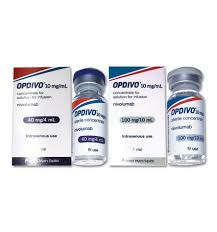
The generic drug Nivolumab is currently on the market in China, but it has not yet been included in medical insurance. This drug is a strictly controlled drug, and its purchase channels are restricted. Specifications The price of each box of 40mg/4ml may be around RMB 4,000. The Turkish version of the nivolumab generic drug listed overseas may cost more than RMB 2,000 per box of 40mg/4ml (the price may fluctuate due to exchange rates). Currently, there is no generic version of nivolumab available on the market. For more drug information and specific prices, please consult a medical consultant.
[ 免责声明 ] 本页面内容来自公开渠道(如FDA官网、Drugs官网、原研药厂官网等),仅供持有医疗专业资质的人员用于医学药学研究参考,不构成任何治疗建议或药品推荐。所涉药品可能未在中国大陆获批上市,不适用于中国境内销售和使用。如需治疗,请咨询正规医疗机构。本站不提供药品销售或代购服务。


