
.jpeg)
Warnings and Precautions for Using Axicabtagene Ciloleucel
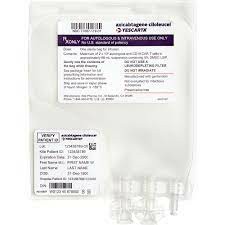
Axicabtagene Ciloleucel is a CAR-T cell therapy used to treat relapsed or refractory large B cell lymphoma. Although it has achieved remarkable therapeutic results in some patients, the use of Aquilenza involves some important warnings and precautions. These warnings and precautions are provided to ensure patient safety and effectiveness of treatment, and they are elaborated below.
1. Clinical treatment environment:
Can only be used in experiencedCAR-Tcell therapy centers: Akilenza treatment must be performed in dedicated CAR-T treatment centers and administered by medical professionals with relevant experience. This is because treatment can come with serious side effects that require special medical facilities and resources to deal with.
2. Pre-treatment assessment:
Patient Selection and Preparation: Before receiving treatment with Aquilenza, doctors will carefully evaluate the patient to ensure that the patient meets the inclusion criteria for treatment and is fully prepared for treatment.
CAR-Tcell collection: Treatment requires the collection of a patient's Tcells, which often involves a specific collection process.
3. Warnings and precautions during treatment:
Cytokine Release Syndrome (CRS):CRS is a common treatment-related adverse event that may occur within days of treatment. Patients and doctors need to monitor closely for signs and symptoms of CRS, including fever, chills, headache, low blood pressure, and shortness of breath. Severe CRS may require aggressive therapeutic intervention.
Nervous system toxicity: Some patients may experience neurological toxicity, manifesting as dizziness, disturbance of consciousness, headache and other symptoms. This requires early monitoring and treatment.
Infection: dueCAR-TCell therapy may suppress the immune system, making patients more susceptible to infections. Patients need to be especially careful to avoid infection, and doctors need to closely monitor and treat possible infections.
Long-term effects:The long-term effects of CAR-Tcell therapy are unknown, so long-term follow-up is needed to monitor potential long-term side effects and the risk of secondary malignancies after treatment.
4. Preventive measures:
Avoid vaccination: After CAR-T cell therapy, patients need to avoid receiving live vaccines because CAR-Tcell therapy may affect the normal function of the immune system, putting patients at an increased risk of reacting to the vaccine.
5. Medical monitoring and follow-up:
Regular follow-up: Patients need regular medical monitoring and follow-up after treatment to monitor their condition, CAR-Tcell expansion and any side effects. This is an important step to ensure treatment effectiveness and safety.
6. Patient Education and Informed Consent:
Informed Consent: Before receiving treatment, patients must provide informed consent and understand the potential risks and benefits of the treatment.
Patient education: Doctors provide necessary education to patients and their families to ensure they understand the treatment process, side effects, and precautions.
7. Pregnant and lactating women:
Pregnant and nursing women: The safety of Akilenza has not been clearly established in pregnant and nursing women, so decisions about treatment should be made under the guidance of a physician.
In summary, use Akiron asCAR-TCell therapy requires close medical monitoring and professional medical management. Patients and doctors should work together to follow a treatment plan to ensure the treatment is safe and effective. Additionally, it is important for patients and family members to understand the potential risks and benefits of treatment as this can help make informed treatment decisions. As CAR-Tcell therapy is further researched and developed, the understanding of its warnings and precautions will continue to improve.
[ 免责声明 ] 本页面内容来自公开渠道(如FDA官网、Drugs官网、原研药厂官网等),仅供持有医疗专业资质的人员用于医学药学研究参考,不构成任何治疗建议或药品推荐。所涉药品可能未在中国大陆获批上市,不适用于中国境内销售和使用。如需治疗,请咨询正规医疗机构。本站不提供药品销售或代购服务。


