
.jpeg)
Aducanumab efficacy and effects
Aducanumab is a controversial and discussed drug used to treat Alzheimer's disease, a progressive neurodegenerative disease. Its mechanism of action and potential efficacy have aroused strong interest from the medical community and the public, but are also accompanied by many uncertainties and controversies.
Mechanism of action:
The mechanism of action of aducanumab involves βamyloid plaques (beta-amyloid plaques) in the brain. These plaques accumulate in the brains of people with Alzheimer's disease and are thought to be important factors in the progression of the disease and damage to nerve cells. Aducanumab is an antibody drug that selectively binds to and removes these plaques, reducing their accumulation in the brain. This mechanism of action is unique in that it attempts to directly intervene in the pathological process of the disease rather than merely providing symptomatic treatment.
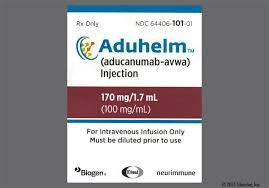
Potential benefits:
The potential efficacy of aducanumab is one of the focuses of many people's attention. Although it has received conditional approval from the FDA, the drug's actual efficacy still requires further research and verification. Here are some possible potential benefits:
1.Slowing disease progression: The primary goal of aducanumab is to reduce the accumulation of β amyloid plaques, thereby potentially slowing the progression of Alzheimer's disease. This may result in slower progression of the disease and preservation of the patient's cognitive function.
2.Improve cognitive function: Treatment with aducanumab may improve patients' cognitive function, including memory, thinking and decision-making abilities. This is of great significance to improving the quality of life of patients.
3.Improving the ability to live independently: Alzheimer's disease often leads to the loss of patients' ability to perform daily activities. Aducanumab may help patients maintain independent living longer and become less dependent on caregivers.
4.Prolonged survival: Although the main goal of aducanumab is to improve quality of life, it may also have a positive impact on how long patients live, as slowing disease progression allows patients to maintain relatively good health for longer.
However, it should be noted that the efficacy of aducanumab remains controversial. Some studies show benefits for cognitive function and quality of life, while other studies do not reach similar conclusions. Therefore, the actual effect of this drug still needs further research and long-term monitoring to determine.
In summary, aducanumab represents new hope for the treatment of Alzheimer's disease, and its mechanism of action involves clearingβamyloid plaques, thereby potentially slowing disease progression and improving cognitive function and quality of life. However, its actual efficacy still needs further verification, and there are many unanswered questions and controversies, so patients and doctors need to consider carefully when using the drug.
[ 免责声明 ] 本页面内容来自公开渠道(如FDA官网、Drugs官网、原研药厂官网等),仅供持有医疗专业资质的人员用于医学药学研究参考,不构成任何治疗建议或药品推荐。所涉药品可能未在中国大陆获批上市,不适用于中国境内销售和使用。如需治疗,请咨询正规医疗机构。本站不提供药品销售或代购服务。


