
.jpeg)
Alemtuzumab dosage and usage
Alemtuzumab dosage is usually based on the specific disease and individual patient circumstances. It is usually directed and administered by a medical professional, as it requires careful monitoring and adjustments to ensure optimal treatment and reduce the risk of side effects. The following are general dosage and usage guidelines, but please note that actual usage may vary depending on the patient's condition.
1. Dosage:
Chronic lymphocytic leukemia (CLL): Alemtuzumab in the treatment of CLL is usually given as a treatment cycle, usually as a daily intravenous injection, usually over five consecutive days. The patient may then need periodic follow-up visits to monitor disease response and follow-up treatment as needed.
Multiple Sclerosis (MS): When used in multiple sclerosis, alemtuzumab is usually given in a treatment cycle, usually five consecutive days of treatment, followed by a course of treatment 12 months later. There are long rest periods between each course, often requiring monitoring of the patient's immune system and possible additional medications to manage the disease.
Rheumatoid Arthritis (RA): Alemtuzumab in the treatment of rheumatoid arthritis is also usually given in a treatment cycle, usually as a daily intravenous injection, usually over five consecutive days. Depending on disease activity and patient needs, subsequent courses of treatment may be considered.
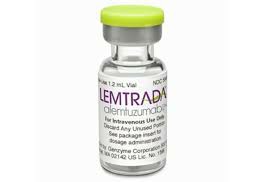
2. Usage:
Alemtuzumab is usually given by intravenous injection in a medical facility by a medical professional. Injections usually need to be administered under monitoring to ensure patient response and safety.
During treatment with alemtuzumab, patients need to have their immune system monitored regularly to ensure the appropriateness of their immune function.
During medication, patients usually need to take measures to reduce the risk of infection, such as avoiding contact with sick people and maintaining good personal hygiene habits.
3. Adjustment and maintenance treatments:
Alemtuzumab treatment regimen may need to be adjusted based on the patient's disease response and tolerability. The doctor will decide whether subsequent treatment is needed based on the monitoring results and the progression of the condition.
Patients need to maintain close contact with their doctors to ensure that the treatment plan is adjusted and maintained in a timely manner to obtain the best treatment results.
In summary, the dosage and administration of alemtuzumab is based on the specific disease and patient conditions. Patients should follow their treatment regimen based on their doctor's advice and monitoring plan to ensure optimal treatment results and reduce potential risks during treatment. The use of alemtuzumab usually requires professional guidance and supervision by a clinician.
[ 免责声明 ] 本页面内容来自公开渠道(如FDA官网、Drugs官网、原研药厂官网等),仅供持有医疗专业资质的人员用于医学药学研究参考,不构成任何治疗建议或药品推荐。所涉药品可能未在中国大陆获批上市,不适用于中国境内销售和使用。如需治疗,请咨询正规医疗机构。本站不提供药品销售或代购服务。


