
.jpeg)
Warnings and precautions when using Budesonide capsules (Budesonid)
Special caution is required when using Budesonide Capsules (Budesonide Capsules ) because this is a hormonal drug commonly used to treat inflammatory bowel disease. Patients should be cautious when using it and follow their doctor's advice to ensure the safety and effectiveness of the medication. The following are warnings and precautions related to the use of budesonide capsules:
1. Physician’s prescription: Budesonide is a prescription drug, and patients must obtain a doctor’s prescription before purchasing and using it. Patients should always follow their doctor's advice and prescriptions and do not change their medication regimen, dosage, or discontinue medication unless directed by their doctor.
2. Long-term use: Long-term use of hormonal drugs may be associated with some potential risks, such as immune system suppression, reduced bone density, and metabolic problems. Doctors usually weigh the benefits of treatment against the risks and monitor the patient's health.
3. Immune system suppression: Budesonide is an immunosuppressant that can reduce the activity of the immune system and increase the risk of infection. Patients should avoid contact with known sources of infection while taking the drug, especially infectious diseases such as chickenpox, measles, and influenza. If you develop symptoms of infection, you should consult your doctor as soon as possible.
4. Withdrawal Syndrome: Budesonide should not be stopped suddenly. Abrupt discontinuation of the drug may trigger a withdrawal syndrome, characterized by fatigue, muscle aches, joint pain, and other uncomfortable symptoms. Medication reduction and discontinuation should be done gradually under the guidance of a doctor.
5. Children and pregnant women: Children and pregnant women need to use special caution when using budesonide. For children, long-term use may affect growth and development. Pregnant women should use drugs under the guidance of a doctor, because hormonal drugs may have an impact on the fetus.
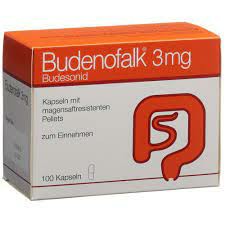
6. Bone Density: Long-term use of budesonide may cause a decrease in bone density and increase the risk of fractures. Doctors may recommend bone density monitoring and calcium and vitamin D supplementation to mitigate this risk.
7. Gastrointestinal discomfort: Budesonide capsules are usually taken orally after meals to relieve possible gastrointestinal discomfort. If patients develop stomach pain, heartburn, or other uncomfortable symptoms while using the drug, they should notify their doctor promptly.
8. Monitoring and Follow-up: Patients require regular medical monitoring and follow-up while taking budesonide. This helps doctors assess disease progression, adjust medication regimens, and detect any potential side effects.
9. Drug Interactions: Budesonide may interact with other drugs. Patients should tell their doctors about all medications they are taking, including prescription drugs, over-the-counter drugs, and supplements, to make sure there are no potential adverse interactions.
10. Dose Adjustment: The dose of budesonide may need to be adjusted based on disease status and patient response. Patients should not increase or decrease the dose on their own but should wait for their doctor's advice.
In summary, caution is required when using budesonide capsules, and patients should always follow their doctor's advice and supervision. The doctor will develop the most appropriate treatment plan based on the patient's specific situation and the severity of the disease. Following warnings and precautions and receiving regular medical monitoring and follow-up can help ensure the effectiveness and safety of your medication. If patients experience any symptoms or suspected side effects while taking budesonide, they should consult their doctor immediately.
Budenesonide capsules are not currently on the market in China, so patients cannot purchase them domestically and need to purchase budesonide capsules through overseas channels. There are only original budesonide capsule drugs available abroad, and the cheaper ones are mainly Turkish original drugs, which cost more than 1,000 yuan.
[ 免责声明 ] 本页面内容来自公开渠道(如FDA官网、Drugs官网、原研药厂官网等),仅供持有医疗专业资质的人员用于医学药学研究参考,不构成任何治疗建议或药品推荐。所涉药品可能未在中国大陆获批上市,不适用于中国境内销售和使用。如需治疗,请咨询正规医疗机构。本站不提供药品销售或代购服务。


