
.jpeg)
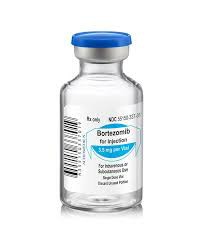
Bortezomib injection methods and precautions
Bortezomib (Bortezomib) is usually given to patients by injection. Here is information about its injection method and related precautions:
Injection method:
1.Professional medical setting: Bortezomib usually needs to be administered under professional supervision in a medical setting. This may include places such as hospitals, oncology clinics, or treatment centers.
2.Injection site: Bortezomib is usually given to patients as an intravenous injection. This can be done via intravenous access, a syringe pump, or a syringe. The healthcare provider will select the appropriate vein and ensure the injection is sterile.
3.Injection Frequency: The frequency of bortezomib injections will vary based on the treatment plan and the patient's specific circumstances. Typically, bortezomib treatment plans specify a schedule for injections, such as once or twice a week. Patients should strictly follow the doctor's recommendations and prescriptions for injections.
4.Dosage: The dose of bortezomib will also vary based on individual circumstances. Doctors will determine the appropriate dosage based on factors such as the patient's weight, health, and type of cancer. Patients should not change or discontinue treatment on their own but should follow their doctor's advice.
5.Drug preparation: Injection of bortezomib usually requires drug preparation under the supervision of medical staff. This ensures correct dosage and sterile conditions.
Notes:
1.Monitoring and evaluation: During treatment with bortezomib, patients need to be monitored and evaluated regularly by their physician. This includes checking white blood cell count, platelet count, kidney function and other relevant physiological indicators. This helps ensure the effectiveness of treatment and detect potential adverse effects in a timely manner.
2.Adverse reactions: Patients should pay close attention to possible adverse reactions, such as nausea, vomiting, diarrhea, peripheral neuropathy, fever, etc. If you feel unwell, you should contact your doctor immediately. Particularly for peripheral neuropathy (BIPN), early recognition and management are important.
3.Follow the prescription: Patients should always follow the doctor's prescription and inject bortezomib on time and in the right amount. Interrupting or changing treatment may affect its effectiveness.
4.Immune system: Bortezomib may have effects on the immune system, so patients should take steps to reduce the risk of infection. This includes avoiding contact with infected people, practicing good hygiene, and getting regular vaccinations (with your doctor's advice).
5.Lifestyle: During bortezomib treatment, patients may need to make some lifestyle adjustments under the advice of their doctor. This may include changes in diet, exercise, and other lifestyle habits.
6.Drug Interactions: Patients should tell their doctors about other medications they are taking, including prescription drugs, over-the-counter drugs, and supplements. Certain drugs may interact with bortezomib, so doctors need to know this information.
In short, bortezomib injection treatment needs to be carried out under professional medical supervision and follow the doctor's recommendations and prescriptions to ensure the safety and effectiveness of the treatment. It is important to monitor adverse reactions closely and communicate with your doctor promptly so that treatment plans can be adjusted and any discomfort managed.
Bortezomib is already on the market in China and has been included in medical insurance. Patients can purchase it domestically at a price of around 3,000 to 4,000 yuan. Please consult the local hospital pharmacy for specific prices and reimbursement policies. The cheaper ones abroad are mainly Indian generic drugs, which cost around 1,000 yuan and have basically the same ingredients as the domestic bortezomib drug.
[ 免责声明 ] 本页面内容来自公开渠道(如FDA官网、Drugs官网、原研药厂官网等),仅供持有医疗专业资质的人员用于医学药学研究参考,不构成任何治疗建议或药品推荐。所涉药品可能未在中国大陆获批上市,不适用于中国境内销售和使用。如需治疗,请咨询正规医疗机构。本站不提供药品销售或代购服务。


