
.jpeg)
What are the precautions for taking Vemurafenib?
During treatment with Vemurafenib (Vemurafenib), patients should be aware of the occurrence of adverse events such as new primary malignancies, tumor promotion, allergic reactions, skin reactions, QT prolongation, hepatotoxicity, photosensitivity, ophthalmic reactions, embryo-fetal toxicity, renal failure, Dupuytren's contracture and plantar fascial fibromatosis.
1. New primary malignant tumors: cutaneous squamous cell carcinoma, keratoacanthoma, non-cutaneous squamous cell carcinoma of the head and neck, etc. may occur. Dermatological evaluation should be performed before starting treatment and every 2 months during treatment. Suspected skin lesions are managed by excision and dermatopathological evaluation. Consider dermatologic monitoring for 6 months after discontinuation of vemurafenib.
2. Tumor promotion: In vitro experiments have demonstrated abnormal activation of MAP-kinase signaling and increased cell proliferation in BRAF wild-type cells exposed to BRAF inhibitors. Before initiating vemurafenib, confirm evidence of the BRAF V600E mutation in tumor specimens.
3. Anaphylaxis: Anaphylaxis and other serious hypersensitivity reactions may occur during treatment with vemurafenib and when treatment is restarted. Severe allergic reactions include generalized rash and erythema, hypotension, and drug reactions with eosinophilia and systemic symptoms. Vemurafenib should be permanently discontinued in patients who experience severe allergic reactions.
4. Skin reactions: including Stevens-Johnson syndrome and toxic epidermal necrolysis. Vemurafenib should be permanently discontinued in patients who experience severe skin reactions.
5. QT prolongation: QT prolongation may lead to an increased risk of ventricular arrhythmias, including torsade de pointes. Do not initiate treatment in patients with uncorrectable electrolyte abnormalities, QTc >500 ms, or long QT syndrome, or in patients taking drugs known to prolong the QT interval. Assess ECG and electrolytes (including potassium, magnesium, and calcium) before and after initiating treatment, or after vemurafenib dose adjustment based on QTc prolongation, after 15 days, monthly for the first 3 months, and every 3 months thereafter, or more frequently as clinically indicated. If, after controlling for cardiac risk factors for QT prolongation (e.g., electrolyte abnormalities, congestive heart failure, and bradyarrhythmias), the QTc interval remains >500 ms and increases >60 ms from the pretreatment value, permanently discontinue vemurafenib therapy.
6. Hepatotoxicity: Liver damage that can lead to liver function impairment, including coagulation disorders or other organ dysfunction. In a dose-finding trial, most patients who received ipilimumab (3 mg/kg) concurrently with vemurafenib (960 mg BID or 720 mg BID) experienced grade 3 elevations in transaminases and bilirubin. Monitor transaminases, alkaline phosphatase, and bilirubin before initiating treatment and monthly during treatment or as clinically indicated. Manage laboratory abnormalities by reducing dose, interrupting treatment, or discontinuing treatment.
7. Photosensitivity: Mild to severe photosensitivity reaction. Patients are advised to avoid sun exposure when outdoors, wear protective clothing, and use broad-spectrum UVA/UVB sunscreen and lip balm (SPF ≥ 30). Make dose adjustments for intolerable grade 2 or greater photosensitivity.
8. Ophthalmic reactions: Patients receiving vemurafenib may develop uveitis, blurred vision, and photophobia, and may need to use steroids and mydriatic eye drops to control uveitis. Doctors monitor patients for signs and symptoms of uveitis.
9. Embryo-fetal toxicity: According to its mechanism of action, vemurafenib can cause harm to the fetus when used by pregnant women. It is therefore recommended that females of reproductive potential use effective contraception during treatment with vemurafenib and for 2 weeks after the final dose.
10. Renal failure: including acute interstitial nephritis and acute tubular necrosis, measure serum creatinine before starting to take vemurafenib and regularly during treatment.
11. Dupuytren's contracture and plantar fascial fibromatosis: Most cases are mild to moderate, but severe cases of Dupuytren's contracture deformity have also been reported.
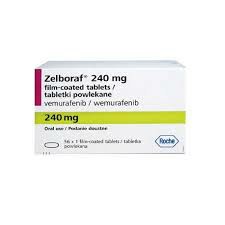
Vemurafenib The original drug has been launched in China and has entered the scope of medical insurance. The price of 240mg*56 tablets per box may be around 7,000 yuan, which is very expensive. The Turkish version of Vemurafenib Original drug listed overseas, specifications240mg*56 tablets, may cost more than 2,000 yuan per box (the price may fluctuate due to exchange rates), which is relatively cheap. There is currently no generic version of Vemurafenib on the market. For more drug information and specific prices, please consult a medical consultant.
[ 免责声明 ] 本页面内容来自公开渠道(如FDA官网、Drugs官网、原研药厂官网等),仅供持有医疗专业资质的人员用于医学药学研究参考,不构成任何治疗建议或药品推荐。所涉药品可能未在中国大陆获批上市,不适用于中国境内销售和使用。如需治疗,请咨询正规医疗机构。本站不提供药品销售或代购服务。


