
.jpeg)
Adverse effects of Bortezomib
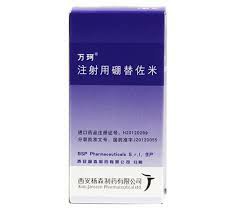
Bortezomib (Bortezomib) is an effective anti-cancer drug, mainly used to treat malignant tumors such as multiple myeloma and certain non-Hodgkin lymphomas. However, like many drugs, it comes with a range of adverse effects because its mechanism of action affects biological processes within cells. The following is a detailed introduction to various adverse reactions that may be caused by bortezomib:
1. Nausea and vomiting: This is one of the most common adverse reactions of bortezomib treatment. Patients may feel nauseated after treatment, sometimes accompanied by vomiting. These symptoms usually lessen within a few days after treatment ends.
2. Diarrhea: Diarrhea is another common adverse reaction. Patients may experience frequent bowel movements, which is often associated with gastrointestinal discomfort.
3. Peripheral neuropathy: Bortezomib may cause peripheral neuropathy, manifested by paresthesia, tingling, burning, numbness, and tingling. These symptoms usually affect the hands and feet and are called peripheral neuropathy.
4. Plateletopenia: Bortezomib may cause a decrease in the number of platelets, a condition that may cause bleeding and congestion. Patients may experience bruising, nose bleeds, mouth bleeding, and other bleeding symptoms easily.
5. Leukopenia: Bortezomib can also reduce white blood cell counts, especially neutrophils, which may lead to a compromised immune system and increase the risk of infection.
6. Anemia: Due to bortezomib's effect on red blood cells, patients may experience anemia, which can cause symptoms such as fatigue, weakness, and shortness of breath.
7. Fever: Fever is a relatively common adverse reaction usually associated with the use of bortezomib. Fever may be due to infection or other causes and requires further evaluation.
8. Renal function damage: Bortezomib can cause a certain degree of damage to the kidneys, leading to abnormal renal function. Doctors usually monitor kidney function regularly.
9. Cardiovascular problems: In some cases, bortezomib may cause cardiovascular problems, including high blood pressure and irregular heartbeats. These situations require specialized monitoring and management.
10. Liver function impairment: The use of bortezomib may lead to abnormal liver function, requiring liver function testing.
11. Pulmonary toxicity: In some rare cases, bortezomib may cause pulmonary toxicity, manifested by dyspnea, cough, and chest pain. This requires prompt diagnosis and treatment.
12. Elevated blood sugar: Bortezomib may cause an increase in blood sugar levels, so patients' blood sugar levels need to be monitored, especially in patients with pre-existing diabetes.
The severity and frequency of these adverse reactions may vary among patients. It is important to emphasize that patients require close monitoring during treatment with bortezomib, and physicians will regularly assess for adverse effects and take appropriate steps to manage them. Sometimes, adverse reactions may require a reduction in drug dose, suspension of treatment, or other intervention.
In summary, bortezomib is an important anticancer drug, but patients need to be aware of the adverse effects it may cause and work with their doctors to minimize the impact of these effects and ensure the effectiveness and safety of the treatment.
Bortezomib is already on the market in China and has been included in medical insurance. Patients can purchase it domestically at a price of around 3,000 to 4,000 yuan. Please consult the local hospital pharmacy for specific prices and reimbursement policies. The cheaper ones abroad are mainly Indian generic drugs, which cost around 1,000 yuan and have basically the same ingredients as the domestic bortezomib drug.
[ 免责声明 ] 本页面内容来自公开渠道(如FDA官网、Drugs官网、原研药厂官网等),仅供持有医疗专业资质的人员用于医学药学研究参考,不构成任何治疗建议或药品推荐。所涉药品可能未在中国大陆获批上市,不适用于中国境内销售和使用。如需治疗,请咨询正规医疗机构。本站不提供药品销售或代购服务。


