
.jpeg)
Vemurafenib resistance management
Approximately40% to 60% of melanomas have BRAF mutations. Selective BRAF inhibitors such as vemurafenib and dabrafenib are currently approved to treat patients with BRAF-mutated advanced melanoma. Treatment-induced tumor regression occurs in most patients; however, acquired resistance to BRAF inhibitors is observed in most patients after 6-7 months. After disease progression, patients may be treated with ipilimumab followed by chemotherapy. Subsequent systemic treatment options for patients with metastatic melanoma do not exist.
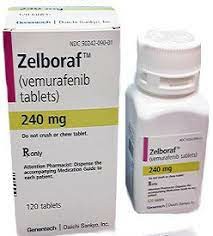
Standard treatment with vemurafenib involves taking the drug by mouth daily until disease progression. ,In second-line treatment, patients may receiveipilimumab followed by chemotherapy. Follow-up systemic treatment options outside of clinical trials do not exist, and patients with metastatic melanoma who do well are left without treatment. In patients in clinical studies, a rapid decrease in lactate dehydrogenase (LDH) (after 1 week) and resolution of cutaneous metastases (after 2 weeks) were observed after re-treatment with vemurafenib. A rapid decrease in LDH indicates that the patient has previously responded to treatment. If a patient develops drug resistance after taking vemurafenib, the doctor should be informed promptly.
Vemurafenib The original drug has been launched in China and has entered the scope of medical insurance. The price of 240mg*56 tablets per box may be around 7,000 yuan, which is very expensive. The Turkish version of Vemurafenib Original drug listed overseas, specifications240mg*56 tablets, may cost more than 2,000 yuan per box (the price may fluctuate due to exchange rates), which is relatively cheap. There is currently no generic version of Vemurafenib on the market. For more drug information and specific prices, please consult a medical consultant.
[ 免责声明 ] 本页面内容来自公开渠道(如FDA官网、Drugs官网、原研药厂官网等),仅供持有医疗专业资质的人员用于医学药学研究参考,不构成任何治疗建议或药品推荐。所涉药品可能未在中国大陆获批上市,不适用于中国境内销售和使用。如需治疗,请咨询正规医疗机构。本站不提供药品销售或代购服务。


